Access detailed human anatomy images for study and reference. Explore over 26,000 medical images with interactive 3D views. Search for specific anatomical structures. Annotate and bookmark images for later review.
by IMAIOS★ 4.91,427 ratingsMedicalFreeData updated 2026-09-08
Learn anatomy through x-ray, CT, MRI, and ultrasound images. Identify normal structures and common pathologies. Practice clinical reasoning and test imaging test selection. Track progress with structured curriculum based on training.
Access management techniques with step-by-step procedural guides. Review 58 methods and case studies linking theory to clinical practice. Use reverse anatomy for visual support. View detailed diagrams and annotations for procedures.
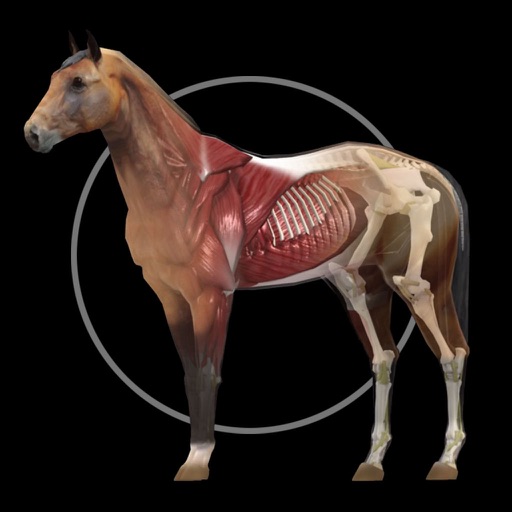
The app presents a 3D model of horse anatomy, including muscles, bones, and organs. It features detailed models of the hoof, head, and pelvis, with labeled structures and audio pronunciations.
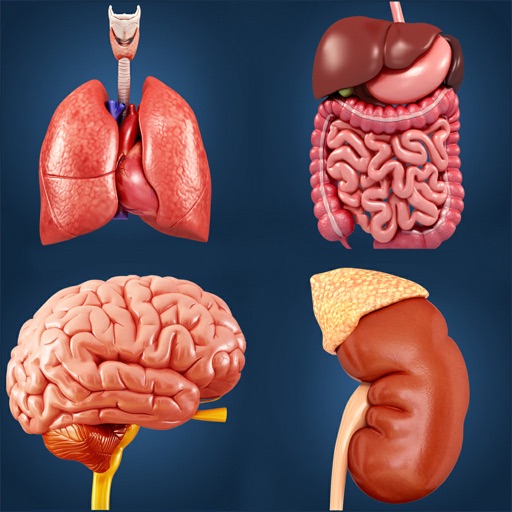
Explore and isolate individual body systems. Dive into the bloodstream, lungs, or heart. View 3D models without augmented reality. Switch between 13 languages. Adjust design settings and fix bugs for smoother performance.
Learn about and valve anatomy through detailed illustrations. Explore pathophysiology of valvular disease. Review surgical techniques for valve repair and replacement. Access educational content for physicians and medical students.
The app provides the complete text and full HD illustrations from the classic anatomical book. Users can zoom images, create notes, email content, and print via AirPrint.
Tests cover core topics like venipuncture, patient safety, and specimen handling. Users can take interactive quizzes, review explanations, and track progress.
Explore detailed 3D models of male and female . Rotate, zoom, and dissect layers to view internal structures. Access content aligned with Next Generation Science Standards. Use teacher's guides and classroom tips for instructional support.
Practice yoga and mindfulness with trauma-informed classes and meditations. Explore anatomy-based poses and movements. Access educational tutorials and guided sessions. Adjust practices to personal needs and preferences.
Learn fundamentals including physics and device operation. Follow step-by-step guides for vascular access and emergency protocols like eFAST and BLUE. Access diagnostic tools for heart, lungs, abdomen, brain, and vessels.