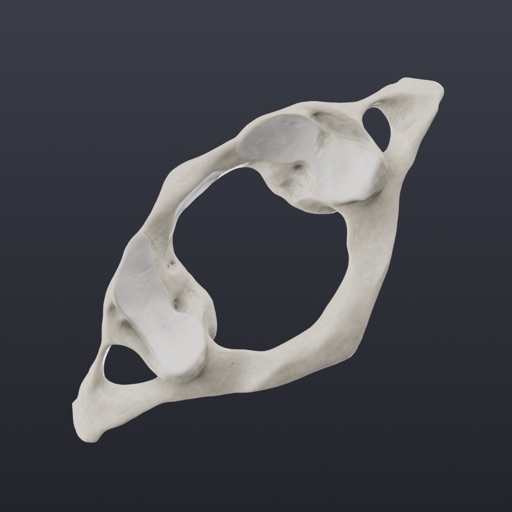
Access detailed human anatomy images for study and reference. Explore over 26,000 medical images with interactive 3D views. Search for specific anatomical structures. Annotate and bookmark images for later review.
by IMAIOS★ 4.91,427 ratingsMedicalFreeData updated 2026-09-08
Explore a realistic 3D model of the human with adjustable lighting and background. Manipulate the model for full range of motion using dynamic sliders. Switch between user-defined poses and view layered anatomical structures.
The app provides an interactive book for mastering abdominal imaging. It offers annotated clinical data sets to illustrate concepts of abdominal anatomy and pathology for diagnosis.
Clinicians can build custom differentials across dermatology, internal medicine, and pediatrics by considering patient history, travel, and allergies. Share visual references with patients to explain symptoms and treatment options.
View 3D anatomy models and navigate through layers. Draw annotations, animate physiological processes, and illustrate medical conditions. Share annotated images and export interactive content for educational use.
This app presents animated content on performing echocardiographic studies. It covers cardiac anatomy, transducer positions, and image acquisition for professional lectures.
Learn terms with audio pronunciations and definitions. Explore anatomy, physiology, diseases, drugs, tests, and procedures. Customize themes and dictionaries. Access helpful hints and organize content for study.
Track sleep metrics including oxygen levels, breathing patterns, time spent asleep, and heart rate. View nightly data visualizations. Set sleep goals and monitor progress over time. Sync data with a companion for detailed analysis.
Learn medical information through with over 1900 memorization tools. Search for specific topics, save favorites, and review flashcards. Organize content by subject and track progress over time. Share with peers for collaborative study.
Explore detailed 3D models of the anatomy. Rotate, zoom, and dissect layers to view internal structures. Access high-resolution cross-sectional images from real cadavers. Label and identify anatomical features.