The app helps users learn to sight-read sheet music with configurable flash card exercises. Users can identify notes by sight or sound, with support for various clefs and key signatures.
by James Buchanan★ 4.6870 ratingsEducationFreeData updated 2026-09-10
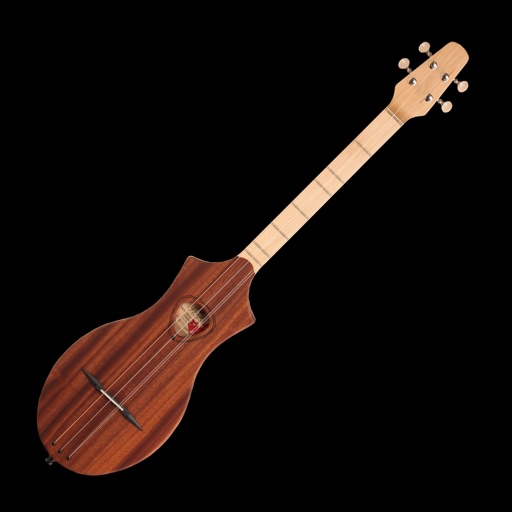
Tune strings by selecting notes and adjusting tuning pegs. Provides visual feedback for accurate pitch. Guides users through standard DAA tuning for beginners. Supports finger placement practice for improved playing.
Recognize musical and chords by sound. Play games to identify pitches and intervals. Progress from simple to advanced levels. Track progress and compete with others. natural and their sharps/flats through interactive challenges.
Learn and practice fretboard notes, chords, and soloing. Train ear recognition and sight reading. Set daily practice goals. Track progress over time. Sync lessons with real instrument usage.
Practice interval recognition, pitch identification, and transcription skills using a virtual piano. Play melodies, replay them, and replicate the notes. Track progress with scores and improve improvisation and self-esteem through regular use.
The app allows users to play various music styles with a harmonium. It supports Indian harmonic scales and Western tempered scales, with automatic transposition for any key.
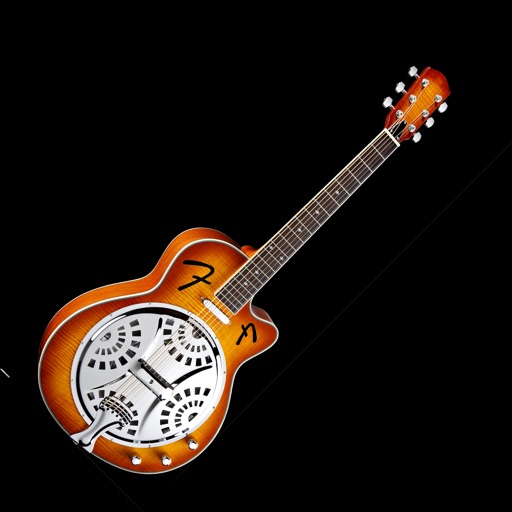
Tune a standard 6-string in GBDgbd tuning. Select a string and touch the corresponding note to match pitch. Adjust tuning pegs manually to achieve correct pitch. Provides visual feedback for accurate tuning.
Build essential music theory skills by practicing intervals, chord identification, and dictation. Analyze live singing with real-time pitch visualization on a score. Transpose melodic exercises to any key, clef, or octave.