Explore the solar system with 3D views of and the moon. Locate celestial bodies using 2D and 3D sky maps. Check visibility times for . Rotate a 3D globe to view planetary details.
by Dana Peters★ 4.5972 ratingsUtilitiesFreeData updated 2026-09-08
Point your smartphone at the night sky to identify constellations, stars, and satellites. AR overlays display celestial names in real time. Swipe to navigate different directions. Receive alerts for ISS passes and meteor showers.
Explore the night sky with real-time star maps and celestial navigation. Identify constellations, planets, and galaxies. Set location and date for accurate sky views. Share observations and save custom star charts.
Explore a 3D globe with relief models and political and physical maps. View day/night cycles, time zones, and city lights. Access over 2,600 geographic objects and more than 500 wonders of the .
Track the International Space Station and Starlink using real-time data. Input your location to find optimal viewing times. Set reminders for launches and visibility events. View satellite routes on a live map. Share sighting details with others.
Point your device to view , planets, and constellations in real time. Identify celestial objects with detailed information. Track planetary movement and lunar phases. View constellations with stellar classifications and vibrant visuals.
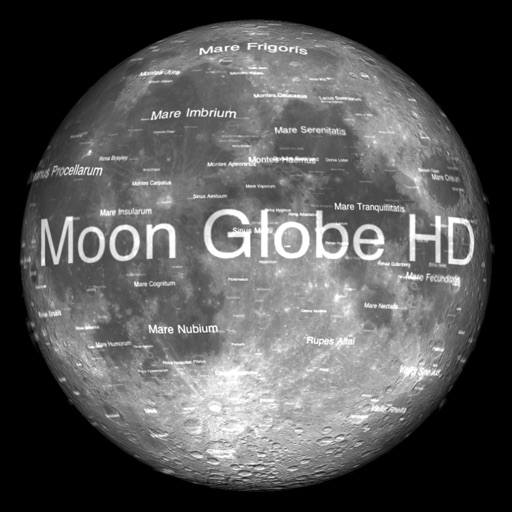
The app displays Earth's Moon in realtime 3D using satellite imagery and topographic data. Users can manipulate the view, switch to Telescope mode, and adjust the display time to observe shifting sunlight on the lunar landscape.
Calculates sun and positions with 0.3% accuracy. Determines sunrise and sunset times. Provides moonrise and moonset times. Adjusts for elevation and time zone.
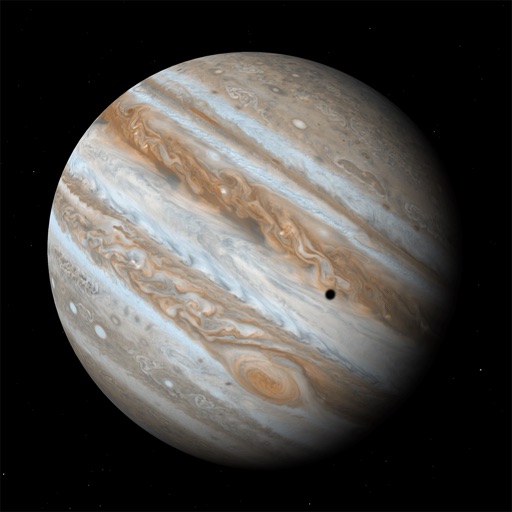
Explore celestial bodies like Jupiter, Saturn, Uranus, and Neptune through a simulated telescope. View planets and their moons as they appear now or at any date and time. Adjust telescope settings to simulate different viewing conditions.
Explore celestial objects with interactive star maps and detailed information. Identify constellations and planets. View historical and cultural facts. Set location-based sky views and track celestial events.
Plan and view the total on April 8, . Find safe viewing locations, track the path, and learn about phenomena. Access maps showing visibility by location. View timing details for partial and total phases.
Track and times, day length, twilight, golden hour, solar power output, and UV Index using an interactive solar disk. Switch to Weather Mode for temperature, precipitation, wind speed, and humidity data.
Track flyovers of the International Space Station, Tiangong, and Hubble Space Telescope with 3D visualization and live positioning. Predict up to 30 days ahead with location-based pass times and a 0–4 star rating system for visibility.
Explore celestial objects like planets, moons, asteroids, and stars. View detailed information about each object. Track their positions and movements over time. Learn about constellations and their changes throughout the year.
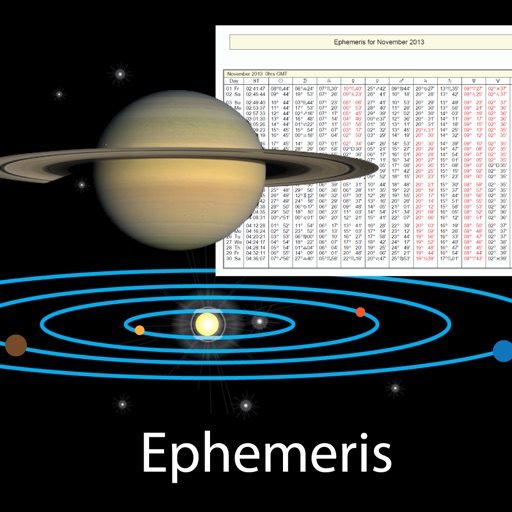
View celestial events like sunrise and sunset times, planetary positions, and declination data. Adjust date and time to check ephemeris for the Sun, Moon, and planets. Access physical properties of celestial bodies including distance and mass.
The app displays Clear Sky Charts for observing conditions over the next 48 hours. Users can search for charts by location or map, and view data including cloud cover, transparency, and temperature.
The app identifies and locates celestial objects by pointing to the sky. It displays the sky view and information at the correct orientation when held at any angle.
Explore celestial bodies and track their positions
Explore the solar system with detailed models of over 400 celestial bodies. Navigate through space, land on planets and moons, and view the sky from their surfaces.
Track celestial objects by pointing your device at the sky. View stars, planets, constellations, and meteor showers. Adjust settings with simple taps. Receive real-time updates on astronomical events. Share observations directly from the .