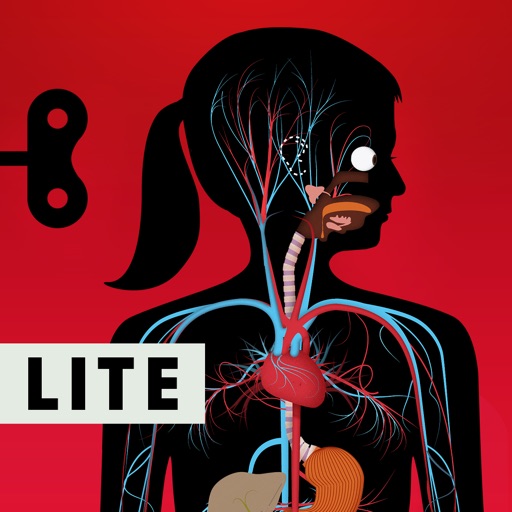
Explore with interactive 3D models of organs and systems. how the heart pumps blood and track food through the digestive tract. Observe blood platelets sealing wounds and examine muscle functions. Control a character to feed and groom it.
The app provides multiple real-time views of the human heart, including external and internal perspectives. Users can explore the heart's valves, blood flow, and electrical system with adjustable heart rates and optional labels.
Explore the with interactive 3D models. Rotate and zoom organs, watch systems like the heart and lungs function. Tap to learn about anatomy, biology, and processes. View detailed diagrams and compare parts.
Create custom flashcard lists with text and images. Set reminders for review. Translate cards using 20+ languages. Shuffle cards to avoid memorization. Use spaced repetition for retention. Access pronunciation guides.
Explore 3D models of body systems including circulatory, digestive, integumentary, muscular, nervous, renal, reproductive, respiratory, and skeletal systems. Identify and label anatomical with accurate names.
Study for the -RN exam with 4000+ exam-style questions. Access questions offline. Review answers and rationale. Ask a nurse educator for clarification. Track progress and revisit difficult questions.
The app presents human anatomical systems and their physiology through 3D animation. Each system is detailed in a chapter with life-like animations and narration for understanding function.
Explore human through interactive 3D models. Point device at AR or demo marker to view skeletal, respiratory, digestive, circulatory, and urinary systems. Identify body parts and learn about their functions.
Test knowledge with quizzes on plant and animal kingdoms, human anatomy, and diseases. Create random quizzes, save questions for review, and analyze mistakes. Practice with structured sets covering botany, zoology, and body systems.
Access medical references including ’s Drug Guide, Taber’s Dictionary, and diagnostic tests. Search for drug information, take notes, and bookmark key content. View organized drug monographs with details on administration and safety.
Create notes, personalized summaries, and flashcards from lectures, documents, or scanned materials. Upload files for analysis. Generate tailored content using AI. Set reminders and track progress. Sync notes across devices.
Learn and terms with 1200 flashcards. Search for specific terms or categories. Review definitions and examples. Track progress with study sessions and quizzes. Share notes and flashcards with others.
Study with clinical vignette-style questions and detailed explanations. Review major concepts in general and systemic pathology. Track progress and adjust study schedules. Access content on mobile devices for flexible learning.