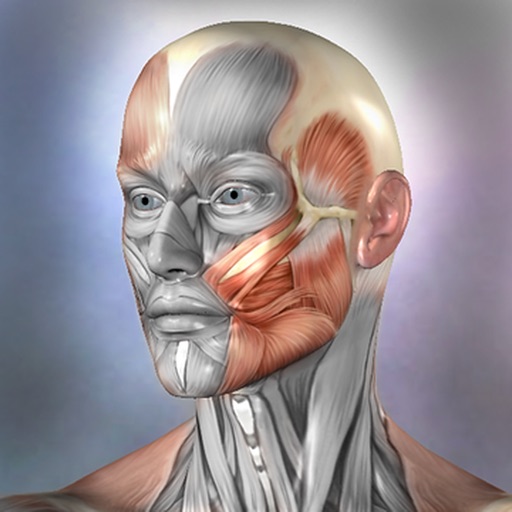
Study with interactive meridian pathways and point locations. Explore a customizable anatomy model with muscles, bones, and organs. Edit and save detailed descriptions of points, meridians, and models. Search by point name, function, or indication.
Prepare for Care Certification exams with practice questions, detailed explanations, and performance tracking. Review tips to improve scores. Access all content categories indefinitely.
Explore human through interactive 3D models. Point device at AR or demo marker to view skeletal, respiratory, digestive, circulatory, and urinary systems. Identify body parts and learn about their functions.
Explore an interactive 3D model to view muscles, bones, and joints in detail. Rotate, zoom, and dissect layers to study human movement. Access expert insights on biomechanics and . Track progress with customizable study plans and quizzes.
Create and publish interactive educational posters with social media links. Share posters directly from the . Access teaching licenses for multi-user use. View detailed anatomical diagrams and 3D models.
Learn for anatomy, biochemistry, cardiology, embryology, emergency medicine, gastroenterology, histology, internal medicine, microbiology, and neurology. Access for obstetrics and gynecology.
Explore detailed 3D models of skeletal, blood, muscular, nervous systems, and male and female organs. Use virtual dissection to identify organ positions. Access over 500 articles for in-depth study.
Explore 3D models of ligaments and skeletal systems. Rotate, zoom, and dissect virtual structures. Access detailed labels and anatomical notes. Upgrade to unlock additional systems and features. View cross-sectional views and compare structures.
Learn with video demonstrations, still images, and text descriptions. Browse by body area or alphabetically. Access 13 full routines ranging from 10 to 60 minutes. Practice for specific conditions like back pain or athlete recovery.
Review and analyze radiographs and CBCT scans to identify anatomical structures, dental disease, and technical errors. Test knowledge with quizzes on radiographic anatomy and image quality.
Explore the human through interactive 3D models. Rotate, zoom, and dissect layers to view anatomy. Learn about functions and blood flow. Access detailed explanations and clinical insights. Share findings via social media or email.
Explore interactive 3D models of reptiles, amphibians, tide pools, human anatomy, and the solar system using augmented reality. Tap to interact with models, view animations with sound, and access detailed content from printed materials.
Identify common postural disorders through guided assessments. Learn correction techniques with detailed explanations. Track progress with analysis tools. Access exercises to improve alignment and muscle balance.
Prepare for the A2 with practice questions, study guides, and an simulator. Review topics, take timed tests, and track progress. Access detailed explanations for answers and manage study sessions.
The app offers five learning methods: VIEWER, ACTIONS, 3-D MODELS, QUIZZES, and MEDIA. Users can explore 145 muscles and bones with detailed information and view animations of body actions.
Explore the body with 3D models of the skeleton, organs, and muscles. Use voice search to identify body parts. Access detailed information about the skull and bones. Take quizzes on skeletal, organ, and muscular systems.
AR : Project sketches onto real-world surfaces for accurate proportions. Use stand mode for stable, low-latency . Convert paper sketches into digital art with precise tracing and editing tools. Save and export artwork in multiple formats.