Access knowledge and analyze imaging with AI tools. Upload images or PDFs for insights across 40+ specialties. Generate clinical insights using GPT-4 and Vision API. Retrieve up-to-date information and support decision-making.
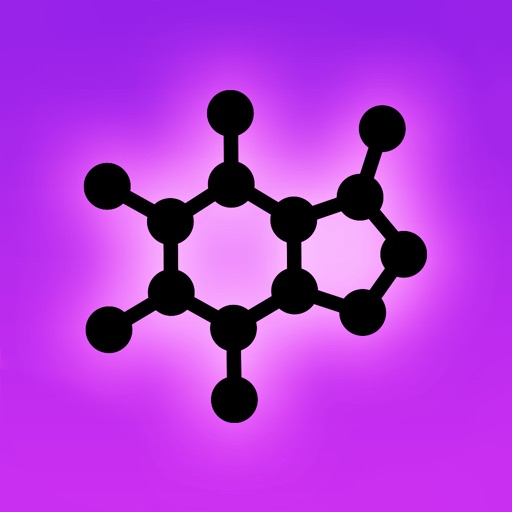
Calculate , solution volume, solute mass, or molecular weight by inputting three variables. The fourth is automatically computed. Units can be adjusted for solution volume, solute mass, or molecular weight. Purchase in- to save custom compounds.
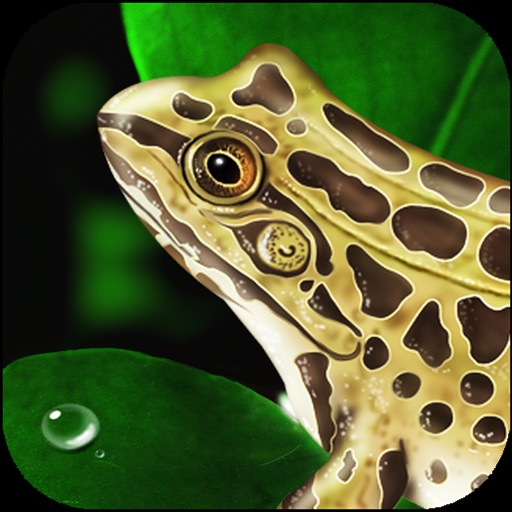
The app offers a virtual frog dissection experience for middle-school students. It includes 3D images of organs, step-by-step instructions, and an interactive quiz for enhanced learning.
Learn about neuromedical imaging through three 20-question quizzes on Brain, Head/Neck, and Spine. Access references for additional information. Navigate using a tab bar to switch between quizzes and resources.
Explore interactive 3D models of . Manipulate and rotate structures to understand chemical bonds. Learn about molecular properties and reactions through detailed explanations and diagrams. Share insights and discoveries with others.
Learn to identify peripheral anatomy structures like nerves, tendons, and bones using interactive ultrasound imaging. Access AI-powered training modules to practice image interpretation.
Classify fractures using the 2018 and dislocation system. View detailed coding guidelines and apply the to patient cases. Access updated standards for trauma surgeons and physicians.
View and analyze rare video images of interventional cardiology procedures. Upload and submit educational content for expert review. Access curated medical data and videos for professional learning. Track contributions and view peer-reviewed content.
Learn and mathematics through interactive animations. Explore gravitational fields, vibrations, waves, and electric currents. Study atomic and nuclear with visual simulations. View detailed explanations and diagrams for each topic.