
Apps Like qubotron for iPhone and iPad
qubotron screenshots
Ranked alternatives
Showing 461–480 of 1,000 ranked alternatives.

Kidz Match
Gomathy Shankaran
Learn and play memory matching games.
The app helps kids focus on memory skills using letters, leaves, insects, images, and numbers. Kids learn by playing a classic memory matching game, with audio available in multiple languages.

Ghost Puzzle - Game for Kids
Asylum Square Interactive GmbH
Play puzzles and complete challenges
Helps children aged 2 to 8 solve puzzles by dragging and dropping pieces. Includes colorful animations and sound effects. Tracks progress and offers multiple difficulty levels. Encourages problem-solving and hand-eye coordination.




My first wood block puzzles
Alexandre Minard
Easy picture puzzles for young children.
The app offers a simple puzzle game for toddlers and kids aged 2 to 7. Players swap blocks to complete pictures of animals, with three difficulty levels and engaging sounds and animations.





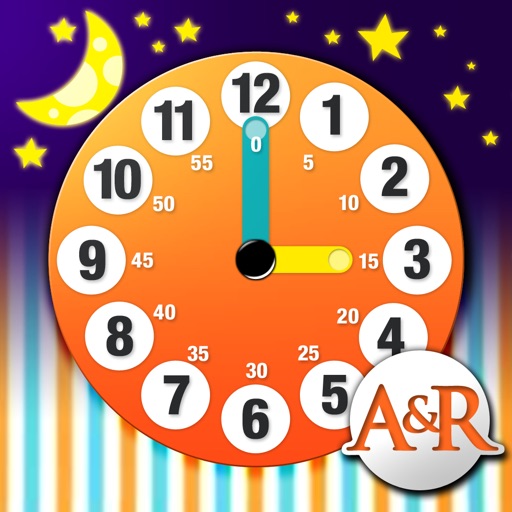
Telling Time for Kids - Game to Learn to Tell Time easily
Alexandre Minard
Learn to tell time easily.
The app offers five learning modes, including analog, digital, free learning, and two quiz games. It includes two difficulty levels that cover quarter, half, and full hours, as well as minutes, with options for daytime and night-time learning.
How we rank alternatives
Apps are ranked by functional similarity, category fit, rating confidence, and popularity.