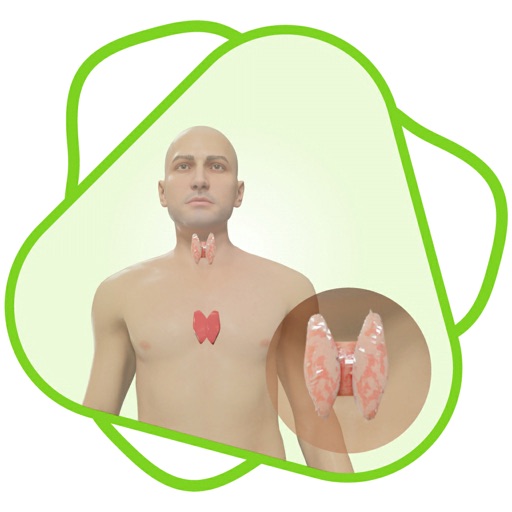
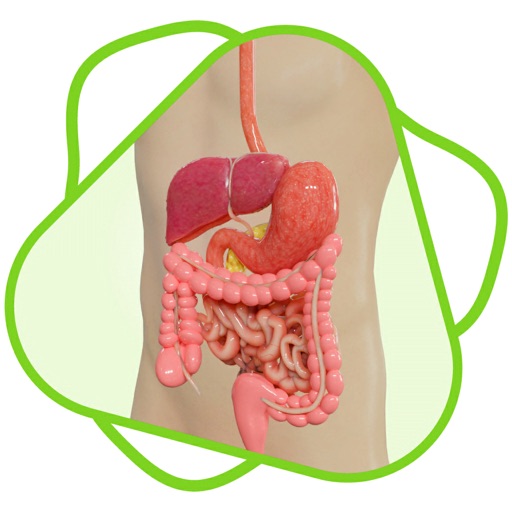
A medical simulation allows students to identify organs on a mannequin. Students select and locate organs, match them to symptoms, and determine their functions. The provides feedback on interventions for simulated conditions.
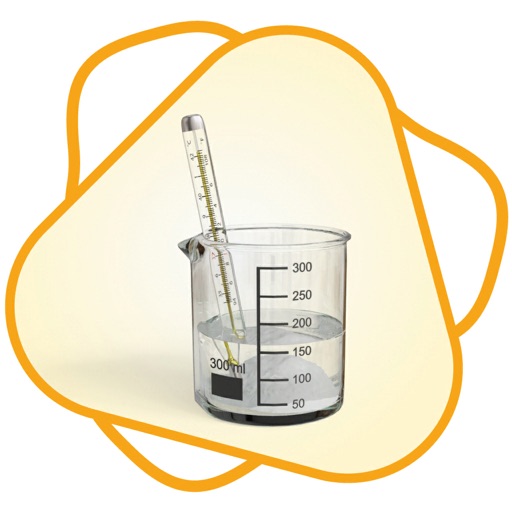
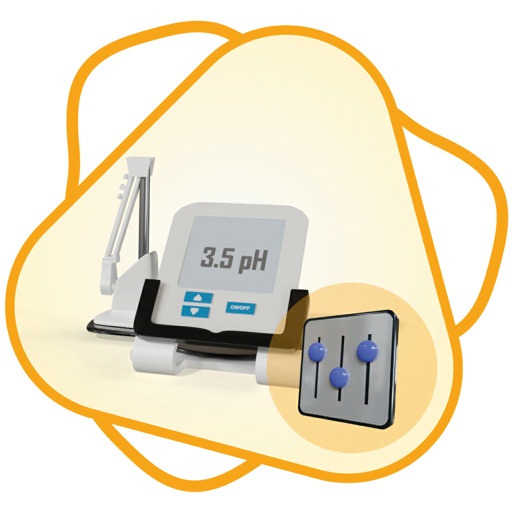
Simulate a lab environment with an Erlenmeyer flask, burette, stirring plate, and titrant dropper. Perform of hydrochloric acid to neutralize carbonate deposits. Adjust solution volumes and observe reaction progress.
Explore whale species with detailed articles, HD images, and organized categories. Learn about anatomy, behavior, and habitats. Search for specific species or browse by family. Save favorite entries and share information via social media.
Identify plants by taking photos and receiving species information. Detect diseases through visual analysis with detailed explanations. Get customized care tips based on type and condition.
Take photos or upload images to identify eggs using AI analysis of color, patterns, shape, and size. View top species matches with confidence scores, habitat details, and unique characteristics.
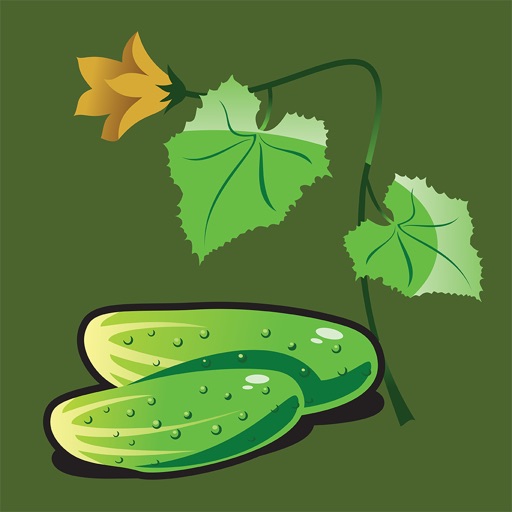
The app offers information on vegetable diseases found in Georgia, including images of symptoms and effective control products. It currently focuses on Cucurbits and plans to include solanaceous crops in the future.
Take a short survey to catalog bee species and record their frequency in specific areas. Input observations to contribute data for scientific research on native bee populations. Share findings with a community of citizen scientists.
Catch and collect unique fish species, level up fishing skills, and complete collections. Explore Cozy Reef, complete fishing expeditions, and uncover rare species.