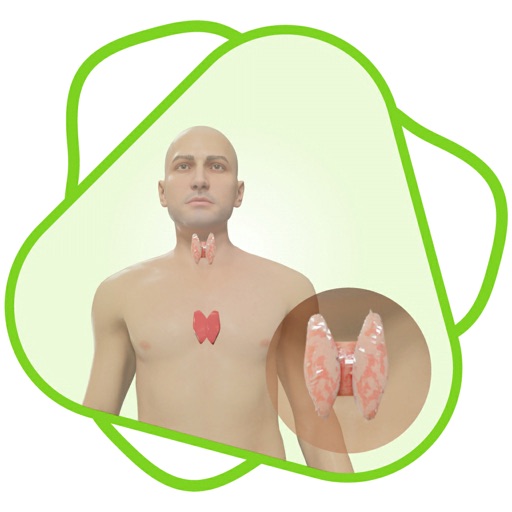
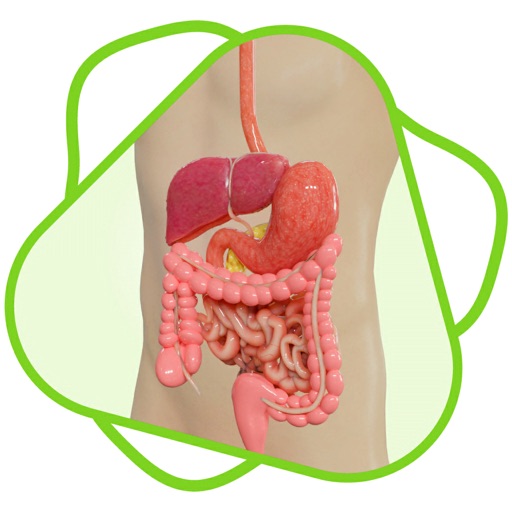
A medical simulation allows students to identify organs on a mannequin. Students select and locate organs, match them to symptoms, and determine their functions. The provides feedback on interventions for simulated conditions.
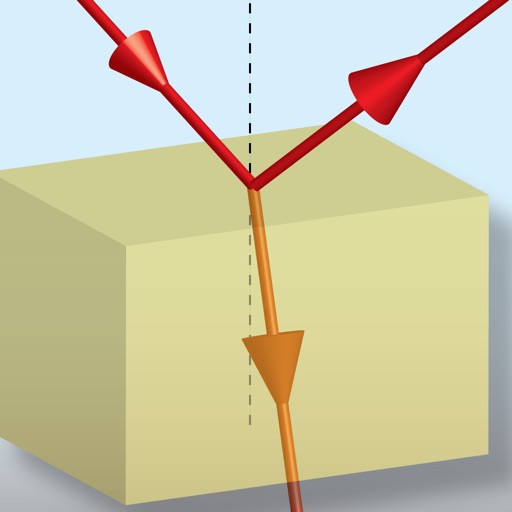
The app calculates the refractive index of transparent materials based on wavelength. It also computes light transmission angles, reflection and transmission coefficients, critical angle, and Brewster’s angle.
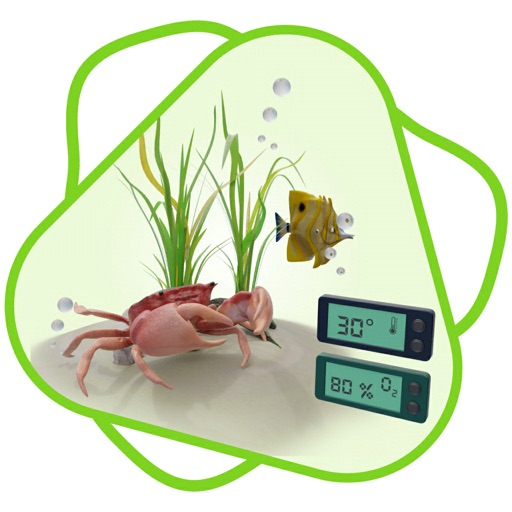
Build virtual aquariums and terrariums by selecting appropriate plants and animals. Identify species and adjust environmental settings like temperature and lighting. Monitor ecosystem balance and observe interactions between organisms.
Create and manipulate geometric shapes such as points, lines, angles, and conic sections. Adjust properties and calculate metrics. Display shapes on a zoomable coordinate system. Construct medians, altitudes, and bisectors.
Content with detailed topic coverage including fundamentals, pharmacology, and patient care. Practice with adaptive quizzes that adjust difficulty based on performance.
The app provides 37 calculators for civil engineering parameters related to highways and roads. It supports both Imperial (USCS) and Metric (SI) units for calculations.
Prepare for the exam with full-length tests that replicate the actual format. Review detailed explanations for each question. Access targeted study modes for AFQT and all subtests. Track progress and focus on weak areas.