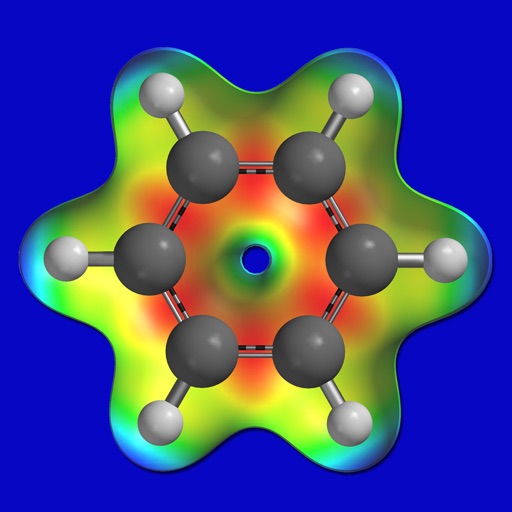
Explore 3D models of atoms and molecules using augmented reality. Interact with different atomic orbitals, viewing their shapes and energy levels. Learn about molecular orbitals through the Hartree-Fock method.
Use your phone camera to draw on any surface. Access templates for animals, cars, and nature. Utilize the built-in flashlight for better visibility. Share completed drawings with friends. Create art using augmented reality technology.
Create and view 3D molecular structures by drawing atoms and bonds. Visualize orbitals and symmetry elements. Look up chemical properties from external databases. Access computational chemistry tools for molecular calculations.
Learn to characters using augmented reality guidance. Follow step-by-step tutorials to sketch facial features, body proportions, and expressions. Use AR overlays to visualize and refine your drawings in real time.
Learn concepts through clear explanations, visual aids, and interactive content. Explore tables, chemical reactions, and molecular structures. Test knowledge with quizzes and practice problems. Access detailed facts and diagrams without ads.
Explore chemical elements with an interactive table featuring 3D models and offline access. Calculate molar mass and solve reactions. Instantly access explanations and customize the table for personalized learning.
Solve chemistry problems with instant step-by-step solutions. Balance chemical reactions automatically. Receive detailed explanations for each step. Create and edit chemical equations with AI assistance. Share solutions and explanations with others.
The app allows chemists to access computational methods for molecular modeling. Molecules are created by sketching and converted into three-dimensional structures for analysis.
Explore elements with detailed properties, historical context, and practical uses. View 3D atomic structures and rotate models. Search for elements by name or symbol. Save favorite elements for quick access.
Learn to name compounds with interactive lessons on alkanes, cycloalkanes, alcohols, aromatics, and ketones. Complete quizzes after each lesson to test comprehension and reinforce learning.
Explore radiographic with detailed projections and accurate imaging. Navigate through anatomical structures, compare views, and access cross-sectional references. Sync with devices across Mac, iPhone, and iPad using a single subscription.
Learn about quantum mechanics concepts like atomic orbitals and quantum numbers. Explore electron behavior in atoms. Visualize probability distributions and energy levels. Track quantum number properties and their effects on electron configuration.
Build and view molecules in 3D. Visualize orbitals and symmetry elements. Look up chemical information and properties from external databases. Access computational chemistry programs. Perform molecular modeling and analysis.