The app provides doctors with mobile access to laboratory results. It features patient-centric electronic results, secure access, and offline availability for viewing and managing patient data.
Access lab and test information with nursing implications. View test descriptions, normal ranges, and clinical significance. Search by test name or system. Unlock full content via in- purchase.
Capture chest sounds for cardiac assessment. Analyze heart rhythms and structural issues. Provide immediate results for clinical use. Share findings with healthcare providers. Supports in-clinic, hospital, remote, and population screening.
Track contraceptive intake with customizable reminders. Set daily or interval-based alerts and repeat schedules. Input pack details to receive accurate notifications. Sync with calendar for missed dose alerts.
Track snoring, breathing, and sleep talking patterns
Record audio to analyze snoring patterns, detect loud snoring, identify potential breathing pauses, and capture sleep talking moments. View details of nighttime sounds. Store and review data locally with no cloud syncing or data sharing.
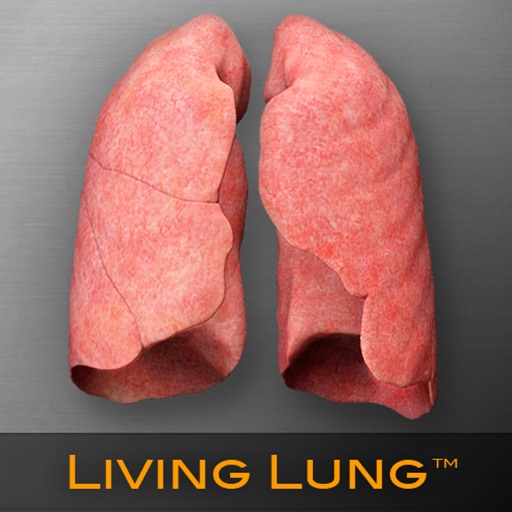
The app provides detailed 3D anatomical respiratory models for education and communication. Users can explore lungs, rib cages, and associated structures in real-time 3D, with animated transparent structures and labeled bronchopulmonary segments.
Find and filter clinical trials for oncology patients. Refer patients directly to eligible trials. Access a global database of trials by type and location. Share trial details with patients and healthcare teams.
The app provides access to medical images and reports on the Nuance PowerShare Network. Users can upload clinical images from their iOS device for secure sharing with medical professionals.
Cardiothoracic surgery self-assessment and review.
The app provides multiple-choice questions for cardiothoracic surgeons and trainees covering various disorders and diseases. Users can customize question evaluation and access optional AI-enhanced learning for contemporary clinical context.
Learn about type 2 inflammation's role in and how biomarkers like eosinophil counts, FeNO, and IgE levels guide personalized treatment. Explore clinical evidence and treatment strategies for managing across diverse patient populations.
The app analyzes eye pictures to identify affected organs and tissues based on iridology. Users can view an interactive chart, learn the history of the technique, and analyze friends' health.
Calculate arterial oxygen saturation using the A-a Gradient formula. Access clinical criteria for conditions. Use decision trees for diagnostic support. Convert drug doses and units. Apply formulas for a/A R ratio calculations.