
Apps Like Pre-K Learning Games For Kids. for iPhone and iPad
Play puzzles, math, and letters offline
Preschool cover topics like puzzles, math, matching, letters, shapes, and cooking. Kids can play offline. Activities include coloring, sorting, and problem-solving to build skills. Suitable for ages 1-5.
Pre-K Learning Games For Kids. screenshots
Ranked alternatives
Showing 401–420 of 1,000 ranked alternatives.


Educational Games for Kids!
Bini Bambini OU
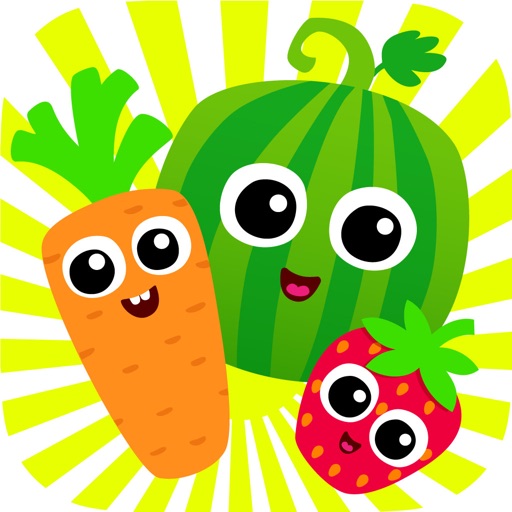
Learn numbers with fruit and veggies
Teaches basic math and logic through fruit and vegetable-themed . Kids learn numbers 1-9, compare sizes, and develop cognitive skills. Includes interactive number and a friendly assistant character to guide learning.


Fingerfun HD: Educational Game
Jaroslav Ozevic
Learning fun for young children.
The app combines puzzles, animals, and language learning for children ages 2–6. It helps develop fine motor skills, hand-eye coordination, and early learning through interactive play and over 350 button patterns.

Tamil Numbers Learning
SentientIT Software Solution Private Limited
Learn Tamil numbers easily and quickly.
The app helps preschool and kindergarten children learn Tamil numbers. It includes ones, tens, hundreds, thousands, and lakhs to improve listening and speaking skills.


123 Kids Fun Education Games
123 Kids Fun Sp. z o.o.
Preschool learning for toddlers and kids.
The app offers a preschool learning experience for children ages 2–5, focusing on kindergarten readiness skills through engaging mini-games. It covers letter and number recognition, early literacy, and problem-solving in a safe, ad-free environment.
Preschool Learning Pre-K Games
Learning Apps
Learn alphabets, count, and solve puzzles
Teaches alphabets, numbers, counting, addition, subtraction, animals, and shapes through interactive . Includes jigsaw puzzles, coloring activities, and matching exercises.


Coloring game for kids - Full
TOYA TAP: PRESCHOOL AND KINDERGARTEN FREE LEARNING PUZZLES GAMES FOR KIDS TODDLERS LTD


How we rank alternatives
Apps are ranked by functional similarity, category fit, rating confidence, and popularity.