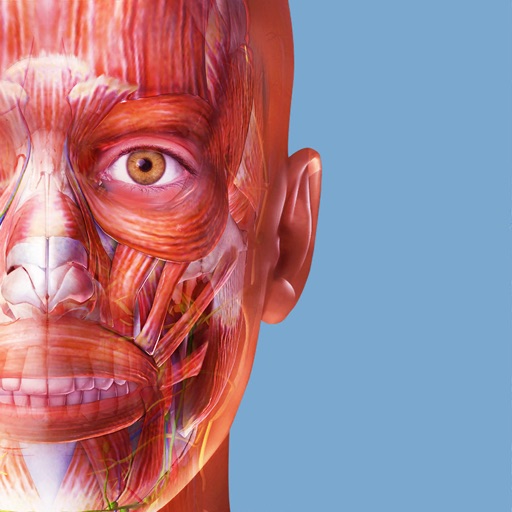
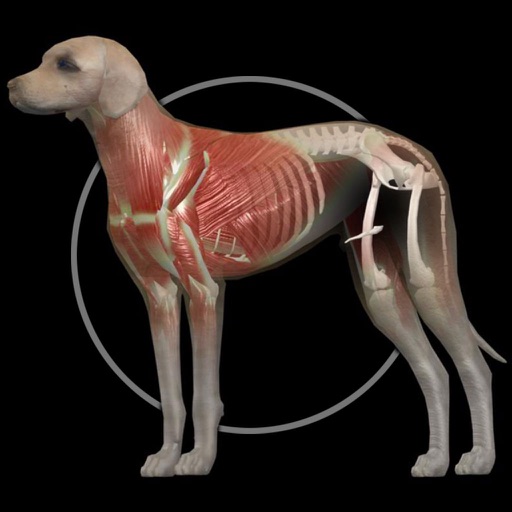
The app provides a detailed guide to musculoskeletal structure, function, and common injuries. It features thousands of 3D models for visualization and learning about anatomy, movement, and pathologies.
Access detailed articles on over 400 surgical topics across various specialities. Each article is reviewed and revised by leading experts. Search for specific procedures or conditions. Save and organize notes within the .
Explore detailed 3D models of human . Label and identify over 8,200 structures. Rotate, zoom, and dissect virtual organs. Access interactive quizzes and study modes. View cross-sectional views and anatomical layers. Save and share annotated diagrams.
Capture and measure X-ray images for spine surgery planning. Analyze patient data for implant sizing and surgical strategy. Organize measurements and streamline clinical workflows.
The app assists health care professionals with pre-operative planning for orthopedic surgery. It allows overlaying prosthesis templates on radiological images and includes tools for measurements and template positioning.
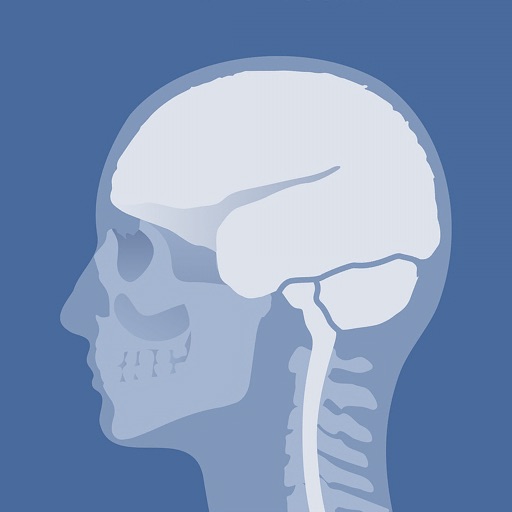
Explore 3D and Augmented Reality models of the skull and intracranial structures. Access over 2500 anatomical labels with descriptions. Use three visualization tools to dissect, isolate, and explode structures along three axes.
Learn anatomical structures through and quizzes. Study with beginner-friendly content. Track progress and set learning goals. Review key terms and definitions. Test knowledge with interactive challenges.
Provide pre- and post-surgery guidance with stretches and exercises. Include estimated surgical outcome risks. Track recovery progress with personalized recommendations. Share information with healthcare providers.
Offers clinical calculators for diagnosis, treatment planning, and prognosis. Users input patient data to receive evidence-based recommendations. Tools include calculators for cardiovascular risk, renal function, and drug dosing.
Explore anatomical structures with 3D models. Rotate, slice, and zoom to view layers. Tap labels for descriptions, audio pronunciation, and close-ups. Quiz yourself or create custom quizzes on anatomy sections.
Learn anatomical structures through interactive modes. Choose It mode highlights structures for identification with multiple-choice questions. Touch It mode requires locating and touching specific structures on anatomical images.