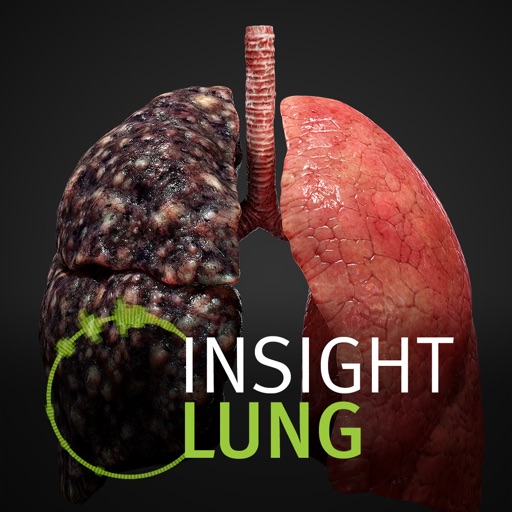
Explore the human through interactive 3D models. Rotate, zoom, and dissect layers to view anatomy. Learn about functions and blood flow. Access detailed explanations and clinical insights. Share findings via social media or email.
Access recommendations from the American College of Cardiology. Use interactive tools like risk scores, dosing calculators, and algorithms. Customize bookmarks, take notes, and email PDFs.
Analyze data to estimate life expectancy. Track bloodwork and habits to refine longevity projections. Receive personalized recommendations for lifestyle changes. Monitor progress over time with real-time updates.
Offers clinical calculators for diagnosis, treatment planning, and prognosis. Users input patient data to receive evidence-based recommendations. Tools include calculators for cardiovascular risk, renal function, and drug dosing.
Monitor heart and lung sounds during exams. Flag murmurs, AFib, tachycardia, and bradycardia. Record and playback sounds. Annotate and save audio and ECG data. Build patient profiles for tracking. Connect to Bluetooth-enabled stethoscopes.
View and interpret ECG traces with detailed annotations and explanations. Access fully interpreted cases with clinical findings and differential diagnoses. Search for specific ECG patterns and review associated medical conditions.
Track blood pressure readings and other health metrics. Follow guided measurement instructions for accuracy. View trend data over time. Share records with healthcare providers. Set reminders for regular monitoring.
Learn cardiac anatomy and auscultation techniques through interactive lessons. Practice identifying heart sounds and murmurs with phonocardiograms. Study ECGs and arrhythmias with detailed explanations. Track progress with quizzes and feedback.