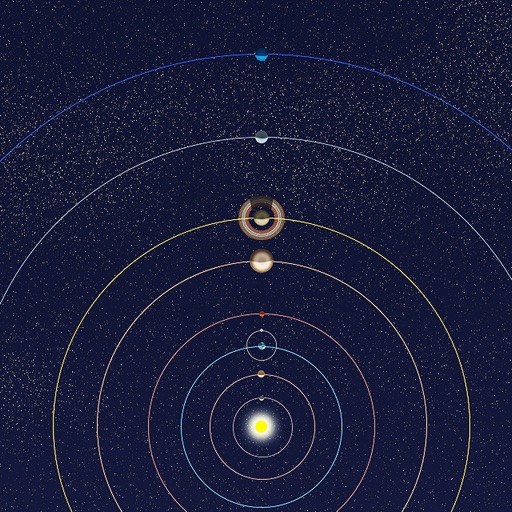
View positions of all solar system planets at any date. Adjust time to see real-time movements. Display accurate orbit sizes, eccentricity, and orbital shapes based on NASA data. Show realistic planet sizes relative to each other.
Calculate solar system requirements by inputting power consumption and daily sun hours. Size solar panels, battery bank, and charge controller based on energy needs and sunlight availability.
Calculate sunrise, sunset, moonrise, and moonset times for your location. Track solar noon, day length, and equation of time. View declination, twilight phases, and azimuth angles. Monitor seasonal dates, solstices, and equinoxes.
Calculate groundspeed, true heading, compass heading, leg time, distance, fuel required, fuel flow, and endurance for flight planning. Convert airspeed, altitude, and temperature.
Solve puzzles by combining word search, jigsaw, and trivia elements. Explore themes like animals and science. Complete daily puzzles from the community and weekly jigsaw puzzles from the team. Track progress and unlock new challenges.
Manage bookmarks and set personal reminders. Use the Qiblih Compass for prayer direction. Track solar times and view the World News Service Feed. Receive daily notifications with holy verses. Access the Badí Calendar for date tracking.
Track conditions with hyperlocal forecasts for over a million locations. Receive lightning alerts and lunar calendar updates. Swipe the Wheel to explore forecasts. Listen to immersive audio for each element.
Explore the solar system with detailed explanations and over 40 animations, including 3D models. Learn about coordinate systems, time measurement, and gravitational concepts.
The app teaches children astronomy basics through an entertaining game. It features cartoon movies, a mobile observatory, and interactive learning about the solar system.
Track energy production for the next 360 hours and 15 days. Export data in CSV format. Predict hourly and daily generation for rooftop or photovoltaic power plants. Help manage energy usage and costs.
Explore a 3D map of the Milky Way, Andromeda, and their satellite galaxies. Navigate through the Orion Arm to view nebulae and supernovae. Fly through planetary atmospheres and land on planets.
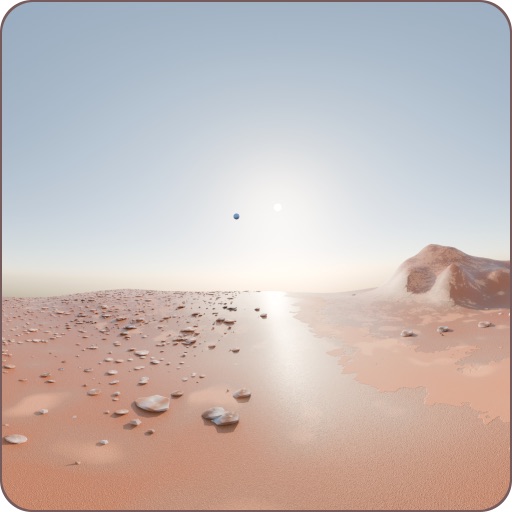
Explore exoplanets with detailed descriptions and visualizations. Navigate through 180 trillion square light years of space. Switch between 6 travel modes for different exploration perspectives. Learn about planetary systems and celestial bodies.