LE allows users to send bytes as ASCII, HEX, or Decimal values. It displays device services, characteristics, and their values. Users can view device name, UUID, and RSSI readings. Data transfers can be tested without a custom .
Connect to servers via SSH, , Telnet, and Port Forwarding. Use password, two-factor, or key-based authentication. Manage remote systems securely from iOS or macOS devices. View and edit files directly on the server.
Monitor server status and manage Docker containers
Monitor server status with real-time CPU, GPU, memory, and network usage metrics. Track Docker container details and SSH into servers directly. View TCP statistics and process lists without installing additional software.
Create and control IoT devices without coding. Configure device settings, activate end-user devices, and provision WiFi connections. Perform OTA firmware updates, monitor device status, and manage security settings.
Create programs using a with interface elements like buttons, text boxes, and sliders. Organize objects into pages. Publish apps via SDK for Xcode. Write code for standalone iOS applications.
Provides remote file access and SSH terminal functionality. Users can edit text with gestures, copy and paste, and send custom commands. Special keys and snippets are typed via an on-screen bar. Files can be selected and dragged for transfer.
Arthur Eduardo Skaetta Alvarez Desenvolvimento de Software LTDA.
NFC tags and edit data
NFC tags by tapping your device against them and view detailed content reports. Modify tags by erasing, locking, or copying data. to tags in multiple formats without needing external hardware.
Allows editing and text with syntax highlighting for over 80 languages. Connect to SFTP, FTP, WebDAV, or Dropbox. Use built-in SSH terminal for server access. Save and export files directly.
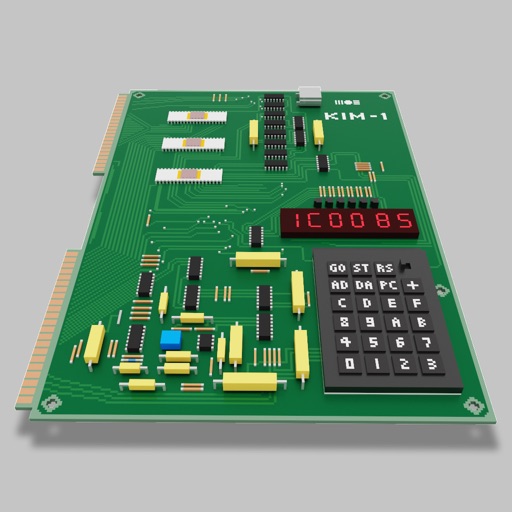
Users can assemble and debug assembly code using a simple interface with 7-segment LEDs and buttons. Run programs on an emulated 8-bit processor. Solve programming puzzles and explore hardware components used in early home computers.