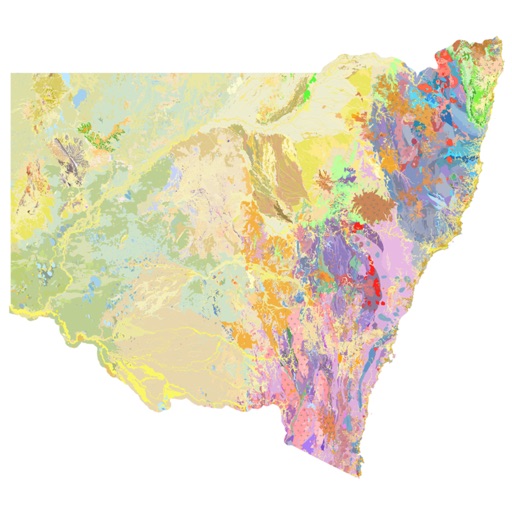
Record geological observations with spatial data collection using points, lines, or polygons. Capture photos and sketches. Create maps and stratigraphic sections. Use high-resolution image basemaps and nested Spots for multi-scale data management.
by The University of Kansas★ 4.717 ratingsUtilitiesFreeData updated 2026-09-06
Allows users to upload or capture photos of stones for instant AI-based identification. It provides detailed analysis including type, composition, and origin. Users can access additional information about identified minerals and their properties.
View interactive with real-time GIS data. Locate assets, collect data, and perform inspections. Use smart forms for data entry. Set geofence alerts. Share location in real time. Complete tasks with map-based navigation.
Monitor crop development using satellite imagery and NDVI calculations. Track weather conditions and identify problem areas in fields. Access machinery files and calculate seed and fertilizer rates through the web version.
Write, collect, and capture ideas as searchable notes, notebooks, checklists, and to-do lists. Create notes with text, sketches, photos, screenshots, and image files. Share notes for collaboration and discussion.
Navigation allows users to view and share GPS coordinates in six formats. It includes a , altitude, distance, and sunset/sunrise tracking. Users can set and edit waypoints with photo or audio notes.
Create and manage checklists for audits, snag lists, and punch lists. Track defects, assign tasks, and monitor progress. Generate reports, conduct risk assessments, and ensure compliance. Collaborate with teams on field reports and maintenance logs.
Organize with boards that include notes, labels, photos, contacts, shapes, strings, PDFs, links, and tasks. Sketch shapes and lines using gestures. Group visually or spread them across multiple boards.
Allows users to project sketches onto surfaces using their phone's camera. Users can projected images onto paper, walls, or objects. The enables customization of drawing settings and provides real-time feedback during tracing.
Identify rocks by taking photos or uploading images. View detailed information and facts about each . Record identification accuracy. Share findings with others. Explore geological data and related facts.