The app provides information on drug dialyzability based on literature sources. It distinguishes between hemodialysis types where data is available, but does not cover CRRT or plasmapheresis.
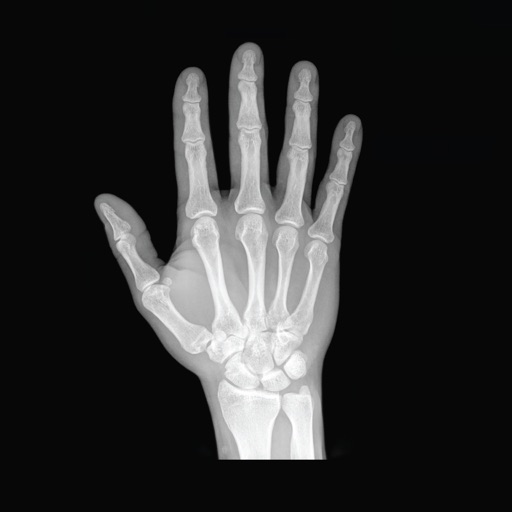
View and organize DICOM medical images from X-ray, CT, MRI, and ultrasound scans. Store and share images for health record-keeping. Use Link to transfer files between devices. Navigate through images with zoom, pan, and rotation tools.
The app provides a clinical reference for 443 psychiatric medications, covering drug class, indications, dosing, and interactions. It allows browsing by indication and searching by name for quick access to medication profiles.
Clinicians can build custom differentials across dermatology, internal medicine, and pediatrics by considering patient history, travel, and allergies. Share visual references with patients to explain symptoms and treatment options.
Access detailed diagrams and clear explanations for science topics. Watch animated, narrated video tutorials with adjustable playback speed. Take notes, highlight key points, and save progress. Sync across devices for continued learning.
Calculate estimated glomerular filtration rate using blood creatinine, age, body size, and gender. Determine kidney disease stage and treatment plan. Monitor kidney function over time. Share results with healthcare providers.
Follow structured exercise routines designed by therapists. Track progress with detailed exercise logs and recovery timelines. Receive personalized guidance for ACL surgery, replacement, and osteoarthritis recovery.
Track and log daily ACT exercises with progress indicators. Set reminders for mindfulness practices. Access guided sessions and worksheets. View session history and completion rates. Sync data across devices.
Access detailed monographs on IV including dosage, administration, contraindications, and interactions. Calculate precise dilution and administration rates using the built-in calculator. View antidotes and precautions for safe drug handling.
Provide clinical decision support for cancer treatment. Access evidence-based guidelines, treatment protocols, and patient management tools. Track patient progress, review lab results, and generate care plans.
View and analyze DICOM images from various modalities including US, CT, MRI, and PET. Query and retrieve images via DICOM network protocols such as C-Find SCU, C-GET SCU, and WADO. Display images directly from PACS or compatible software.