View cross-sectional CT scans of head, neck, chest, and abdomen. Navigate through slices, adjust window levels, and measure distances. Annotate images and save or share findings. Supports anatomic localization and future modality expansions.
Access cancer care for various types. View treatment options and decision tools. Share recommendations with patients and caregivers. Update content regularly. Provide care options for healthcare providers.
Provides information on symptoms, treatments, and management tools. Includes quick-read entries organized by topic. Offers content updates and supports healthcare providers in care. Allows users to access symptom details and treatment options.
Study with interactive meridian pathways and point locations. Explore a customizable anatomy model with muscles, bones, and organs. Edit and save detailed descriptions of points, meridians, and models. Search by point name, function, or indication.
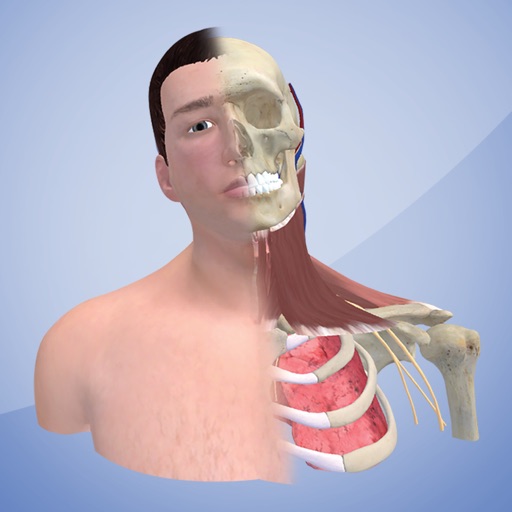
Explore 3D models of anatomy. Rotate postures 360 degrees for detailed views. Adjust head rotation and tilt. View comprehensive muscle layers. Simulate head tremors. Scan an OR code to activate the model from a workbook.
Explore 3D and Augmented Reality models of the skull and intracranial structures. Access over 2500 anatomical labels with descriptions. Use three visualization tools to dissect, isolate, and explode structures along three axes.
Access drug safety ratings for pregnancy and breastfeeding, rated 1 to 5. Search for over 70,000 medications with details on safety during pregnancy and lactation. Retrieve evidence-based guidance on medication use for patients.
View 3D models of human and pathologies. Rotate, zoom, and examine structures from any angle. Explore detailed digestive system models and rare diseases. Access medically accurate information for learning and reference.
View 3D anatomy models and interactive animations of endovascular devices by pointing the camera at a flat surface. Explore device technology through visual demonstrations. Share content for educational purposes.
Capture and analyze 12-lead ECG images from paper or screen. Receive instant AI-generated interpretations and diagnostic suggestions. Share results with healthcare providers. Store and review past ECG data. Set reminders for follow-up appointments.
Scan areas to identify potential conditions like moles, rashes, or irritations. Compare images with reference visuals for general insights. Save scans to monitor changes over time. Track health with visual records and pattern recognition.
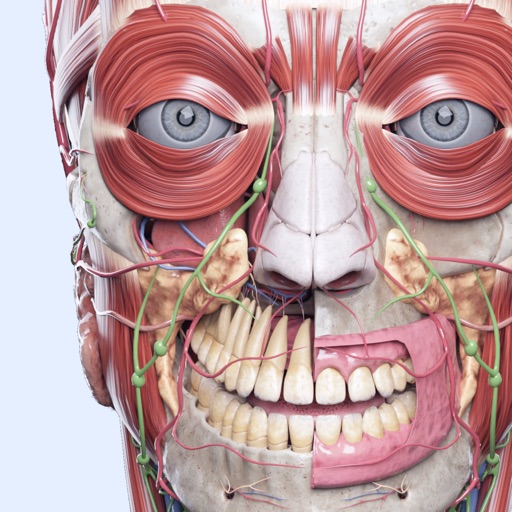
View detailed anatomical images with labeled structures. Access descriptions of anatomical features. Explore correlations for real-world applications. Study using a regional approach aligned with textbooks.
Explore cross-sectional CT scans of the human body. Navigate through detailed anatomical layers. Access interactive 3D views of internal structures. View cross-sectional references for accurate diagnosis.
Learn with interactive diagrams and detailed information. Add personal notes to each point. Take quizzes to test knowledge. View progress and review material for study sessions.