Locate in the night sky using device camera. Display red target marker indicating comet position. Use location and NASA JPL ephemerides for accurate positioning.
by Hanno Rein★ 4.3153 ratingsEducationFreeData updated 2026-09-06
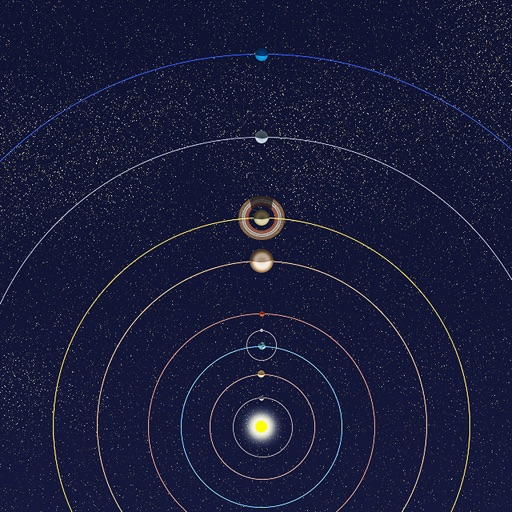
View positions of all solar system planets at any date. Adjust time to see real-time movements. Display accurate orbit sizes, eccentricity, and orbital shapes based on NASA data. Show realistic planet sizes relative to each other.
Plan and view the total on April 8, . Find safe viewing locations, track the path, and learn about phenomena. Access maps showing visibility by location. View timing details for partial and total phases.
Explore the Solar System with 3D models of the Sun, 8 planets, 5 dwarf planets, and over 20 major moons. View real-time positions of celestial bodies. Rotate, zoom, and navigate through the Solar System.
Explore markers offline with a comprehensive database. Browse markers by location, agency, topic, or attraction. Use location services to find markers in real time. View detailed information about each .
Play mini- to develop logic, color recognition, shape identification, and number skills. Complete puzzles, quests, and races. Learn about facts through interactive activities. Navigate the independently.
Create and edit celestial and landscape photos with advanced tools. Capture and adjust exposure, color, and composition. Add overlays and effects. Share edited images directly from the .
View a real-time map based on your location. Identify stars, planets, constellations, and the moon. Adjust the view by moving your device. Zoom in for detailed celestial objects. Share observations or save screenshots of the sky.
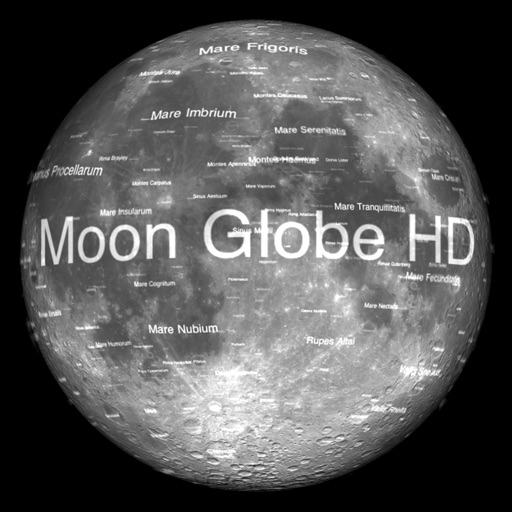
The app displays Earth's Moon in realtime 3D using satellite imagery and topographic data. Users can manipulate the view, switch to Telescope mode, and adjust the display time to observe shifting sunlight on the lunar landscape.
Control movement using a phone connected via Bluetac or tieback. Select a bright star in the eyepiece view. The guides the to the target without requiring a phone camera or sky-facing orientation. Save posture by keeping the phone in any position.
View images and accompanying explanations from NASA’s Astronomy Picture of the Day. Save favorite photos to a personal collection. Access the full APOD archive dating back over 30 years. New images are available daily around midnight ET.
Track and view over 5000 spacecraft in real-time using augmented reality. Identify satellites, the International Space Station, and Starlink satellites. Explore detailed graphics with atmospheric effects and city lights.
Explore astronomy with daily high-quality space images and wallpapers. Access latest NASA news and discoveries. Search astronomy keywords in a comprehensive database. Learn about missions, spacecraft, and space observations.