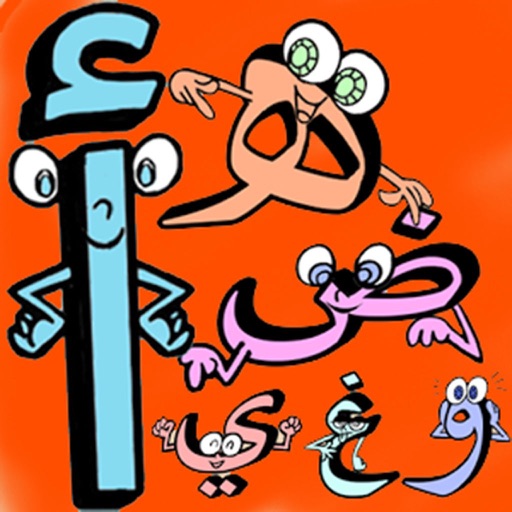
Teaches Persian alphabet through interactive games and activities. Children learn letter shapes, sounds, and order. Includes two forms of each letter and multiple engaging games for practice.
by Pictivia Gaming Ltd★ 4.387 ratingsEducationFreeData updated 2026-09-25
Learn words, speak clearly, and understand language
Learn vocabulary, speech, and comprehension through interactive animations and engaging activities. Explore fruits, vegetables, shapes, and colors with animated visuals. Practice pronunciation by spinning and repeating words.
Teaches Arabic letters with examples and sounds. Includes writing practice and song-based learning. Features games to identify letters and build words. Offers coloring activities for letter recognition.
The app teaches the 26 letters of the English alphabet through pronunciation and stroke order practice. It includes colorful pictures and standard American native speaker audio for vocabulary building.
The app teaches toddlers the alphabet and numbers with songs in English, Spanish, and German. Users can select fast or slow playback speeds for the educational content.
Learn basic vocabulary through interactive lessons on numbers, colors, and shapes. Complete exercises with animated characters and review with vocabulary games. Reinforce learning with visual and auditory activities.
Teaches letter sounds and word formation through phonics. Includes color hints, letter hints, and combined hints. Allows customization of difficulty five settings. Tracks progress and reinforces spelling skills.
The app helps children learn English alphabet recognition through interactive play. Children touch, tilt, watch, and listen to native speaker pronunciation of letters and associated objects.
The app teaches users the basic Japanese alphabet, Hiragana, through art, animation, and sounds. It includes multiple games to guess hiragana from pictures and sounds, with two modes available for free.
Teaches through interactive lessons and printable PDF worksheets. Students practice letter sounds, blending, and word building. Parents or teachers can print activities for offline use.
Teach children to identify and describe 2D through interactive games. Activities include sorting, comparing, and constructing . Learn properties like sides, corners, and line types.