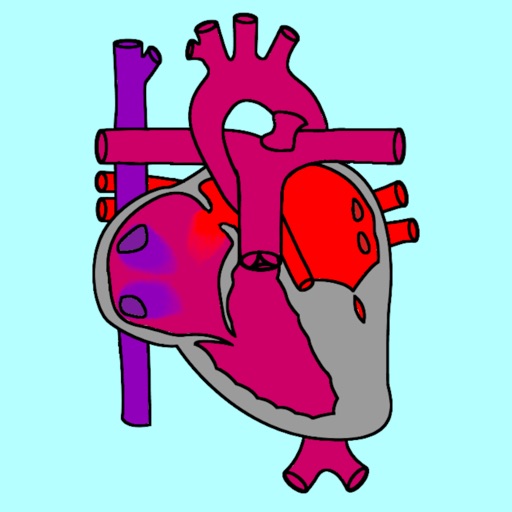
View and analyze EKG tracings with guided interpretation steps. Access example images of abnormal findings through touch. Track progress and improve accuracy with repeated practice. Compare tracings and identify key features for diagnosis.
The app uses pictures, sounds, and a glossary to help children understand medical terms and procedures. It supports English and Spanish and includes anatomical images for illustration.
Learn with interactive lessons and group discussions
Learn through interactive lessons and group discussions. Access structured curriculum content and track progress. Participate in Halaqa sessions for collaborative learning. Receive feedback and complete assignments remotely.
Calculate beam stiffness matrix for composite beams. Compute A, B, D matrices and transverse shear stiffness for plate models. Determine solid stiffness matrix and engineering constants for solid models.
Manage internal medicine cases with detailed guidance on anemia, lab abnormalities, and chronic conditions like AIDS/HIV. Access ICU and ward management protocols. Learn to write H&Ps and call consults.
Explore music and sound properties by tapping on characters representing different rhythms. Mix and match to create custom rhythms. Start and stop rhythms individually. Encourage offline exploration and open-ended play.
The app provides a training device for blood pressure skills. It includes sphygmomanometer placement, variable pressures, and auscultatory gap settings.
The app offers a virtual frog dissection experience for middle-school students. It includes 3D images of organs, step-by-step instructions, and an interactive quiz for enhanced learning.
Prepare for and exams with detailed study materials and practice questions. Review core concepts in critical care transport. Track progress with quizzes and assessments. Access flashcards and reference guides for quick revision.
Study for exams with 6600 flashcards. Access materials offline. Listen to audio notes while driving or riding. Sort flashcards by topic. Search by keywords. Choose from five study modes. View detailed explanations for each card.
Train cardiac rhythms and use defibrillators with realistic simulations. View ECG waveforms, adjust settings, and practice resuscitation techniques. Save and review performance data. Sync with instructor tools for feedback and assessment.
Access real patient heart and lung sounds for auscultation training. Include learning modules and testing features. Enable educators to assess student recognition of benign and pathological sounds.