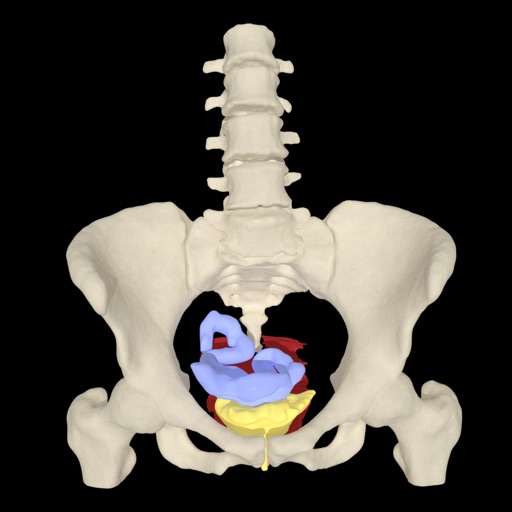
Explore detailed 3D skeletal and muscular system models. Rotate, zoom, and dissect layers to view internal structures. Access a drawing gallery with anatomical references. Purchase additional muscular system content.
Learn anatomy through x-ray, CT, MRI, and ultrasound images. Identify normal structures and common pathologies. Practice clinical reasoning and test imaging test selection. Track progress with structured curriculum based on training.
Test knowledge with and quizzes. Answer questions on four separate topics with randomized questions. Review rotating content to improve understanding. Prepare for classes or last-minute cram sessions.
Learn through illustrated quizzes and cross-sectional views. Test knowledge with terminology challenges. Explore anterior, posterior, and cross-sectional perspectives for detailed study.
View cross-sectional CT scans of head, neck, chest, and abdomen. Navigate through slices, adjust window levels, and measure distances. Annotate images and save or share findings. Supports anatomic localization and future modality expansions.
Learn fundamentals including physics and device operation. Follow step-by-step guides for vascular access and emergency protocols like eFAST and BLUE. Access diagnostic tools for heart, lungs, abdomen, brain, and vessels.
Study with interactive meridian pathways and point locations. Explore a customizable anatomy model with muscles, bones, and organs. Edit and save detailed descriptions of points, meridians, and models. Search by point name, function, or indication.
Learn about endometriosis symptoms, causes, and treatment options. Track pain levels and menstrual cycles. Set reminders for medications and appointments. Share notes with healthcare providers. Connect with others for support and guidance.
Access definitions and terminology across multiple disciplines including addictology, algology, allergology, anatomy, pathology, and more. Search for terms, view clear explanations, and explore abbreviations and terminology.
Identify and palpate 91 essential muscles with detailed visual guides. Learn precise palpation techniques through clear instructions. Build confidence by practicing muscle identification and location.
Study for the CST with practice questions, flashcards, and detailed explanations. Review key concepts, track progress, and take full-length practice tests to prepare for the NBSTSA .
Explore 3D models to study nerves, vertebrae, and cranial structures. Rotate and zoom to examine anatomical details from multiple angles. Watch animations explaining muscle contractions.
Access detailed surgical information with the fourth edition of The Textbook of Colon and Rectal . View chapters on anatomy, diagnosis, and treatment techniques. Search for specific procedures and patient management strategies.