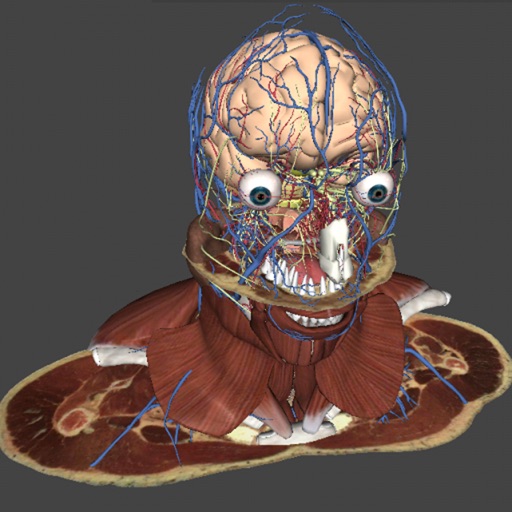
Plan surgeries, calculate capacity, stage cancer, view
Capacity can be assessed using interactive tools. Cancer staging includes detailed descriptions and illustrations. 3D viewer allows hiding and showing structures. Tumors can be placed interactively in models. Anatomical illustrations are provided.
The app provides recommendations for contraceptive use based on medical conditions and characteristics. It covers over 60 characteristics and numerous clinical situations from CDC reports to assist healthcare providers.
The app presents a detailed three-dimensional model of a horse for exploration. Users can view and manipulate internal systems layer by layer or simultaneously, with options to highlight or remove structures for deeper viewing.
Learn to identify peripheral anatomy structures like nerves, tendons, and bones using interactive ultrasound imaging. Access AI-powered training modules to practice image interpretation.
Access medical information with a database of symptoms, diseases, and treatments. Search for answers, view articles, watch videos, and use interactive tools. Explore specialties like radiology, dentistry, and neurology.
Review histological micrographs to test knowledge and identify structures. Access high-quality images from the University of Michigan Virtual Slide collection. Use 27 sets covering over 550 pages of tissues, organs, and organ systems.
Access references, anatomical diagrams, and clinical calculators. View imaging examples and use decision support tools. Calculate dosages and interpret findings. Share notes and images with colleagues.
The app provides information on nerve roots, plexuses, and peripheral nerves. It offers diagrams and pictures to illustrate nerve anatomy and muscle supply.
Enables healthcare professionals to access clinical decision support for pediatric and adolescent care. It offers treatment guidelines, patient management tools, and real-time communication features.
Explore whale species with detailed articles, HD images, and organized categories. Learn about anatomy, behavior, and habitats. Search for specific species or browse by family. Save favorite entries and share information via social media.
Track symptoms with visual and graphic representations. Log acute or chronic details and note progression over time. Save entries for future reference and monitor symptom trends.