Identify constellations and celestial objects in real time. Locate planets and stars with precise guidance. Syncs with telescope for automatic alignment and tracking. Provides detailed information on astronomical events and objects.
Track rate and rhythm through guided breathing exercises. Adjust patterns to sync with heartbeat. Set reminders for daily practice. Monitor progress over time with visual feedback. Share sessions and insights with others.
Receive real-time neutrino alerts and visualize their interactions within the IceCube detector. View estimated source directions on a sky map. Explore particle behavior and cosmic origins through augmented reality.
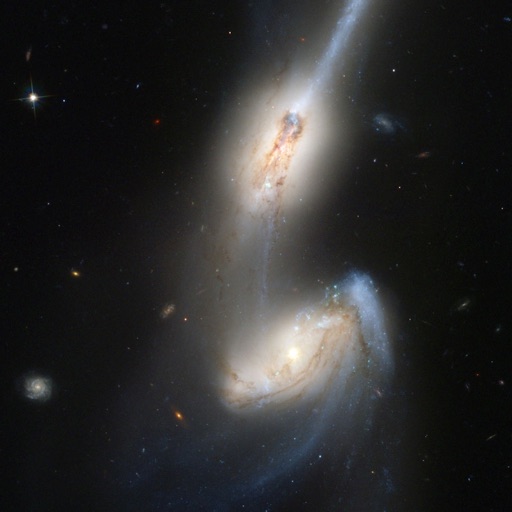
Simulate collisions with realistic physics. Visualize gravitational interactions between stars and centers. Use OpenGL point sprites for detailed rendering. Explore dynamic movements and interactions.
The app simulates gravity's effects, allowing users to fling particles and observe their interactions. Users can create celestial bodies, adjust particle properties, and explore simulated cosmic environments.
Teach children to compare and sort objects with interactive . Includes three levels with 120+ task variations. Features colorful visuals and concepts like animals, vehicles, and water.
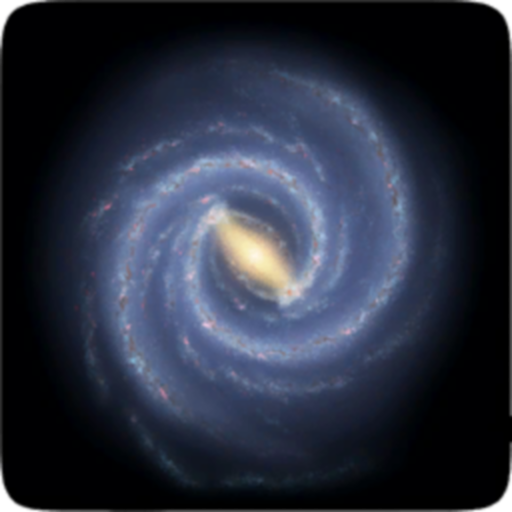
View celestial objects like the Sun, Moon, planets, stars, and galaxies. Zoom up to a million times with pinch gestures. Lock the screen to stabilize the view. Use the search arrow to locate sky objects.
Helps users visualize celestial objects through telescopes or cameras. It calculates magnification, actual field of view, and exit pupil. Users can simulate views with different eyepieces and optical aids.
Simulate RC plane flights with realistic models and environments. Choose from various aircraft and flying fields. Adjust controls for precise maneuvers. Save and load flight sessions. Access detailed tutorials and in- guidance.
Learn fractions through game-based challenges and story-driven math activities. Complete missions to build skills and understanding. Earn rewards and track progress throughout the galaxy-themed learning experience.
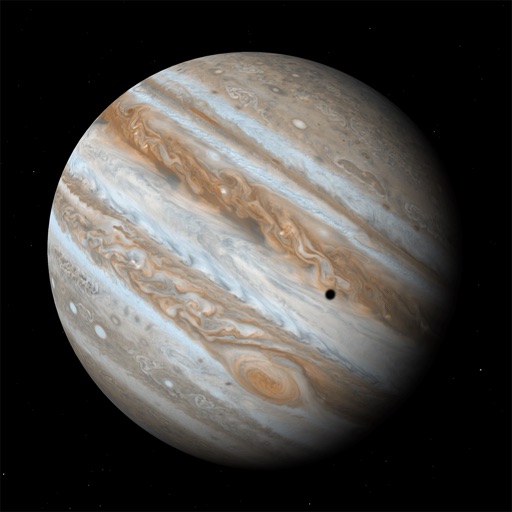
Explore celestial bodies like Jupiter, Saturn, Uranus, and Neptune through a simulated telescope. View planets and their moons as they appear now or at any date and time. Adjust telescope settings to simulate different viewing conditions.