Prepare for the A2 with practice questions, study guides, and an simulator. Review topics, take timed tests, and track progress. Access detailed explanations for answers and manage study sessions.
Learn to with step-by-step tutorials covering gesture, anatomy, facial expressions, and techniques. Practice with different tools and styles. Track progress and revisit lessons for improvement.
Explore interactive 3D models of reptiles, amphibians, tide pools, human anatomy, and the solar system using augmented reality. Tap to interact with models, view animations with sound, and access detailed content from printed materials.
Allows users to take multiple-choice quizzes with 50 questions each. Each question has four options. Correct answers turn green, incorrect ones turn red, and the correct answer is displayed. A summary shows the number of correct answers.
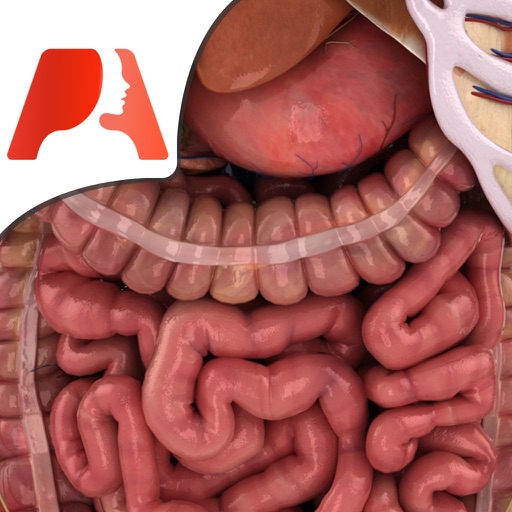
Explore 3D models of the digestive, respiratory, reproductive, and brain systems. View detailed descriptions of each organ. Watch animations of the digestive and respiratory systems. Identify male and female reproductive .
The app provides a reference for ultrasound-guided regional anesthesia techniques. It supports clinical preparation and learning for nerve block procedures from head and neck to extremities.
The app provides a detailed guide to musculoskeletal structure, function, and common injuries. It features thousands of 3D models for visualization and learning about anatomy, movement, and pathologies.
Explore the with interactive 3D models. Rotate and zoom organs, watch systems like the heart and lungs function. Tap to learn about anatomy, biology, and processes. View detailed diagrams and compare parts.
Create and publish interactive educational posters with social media links. Share posters directly from the . Access teaching licenses for multi-user use. View detailed anatomical diagrams and 3D models.
Explore detailed 3D models of male and female . Rotate, zoom, and dissect layers to view internal structures. Access content aligned with Next Generation Science Standards. Use teacher's guides and classroom tips for instructional support.
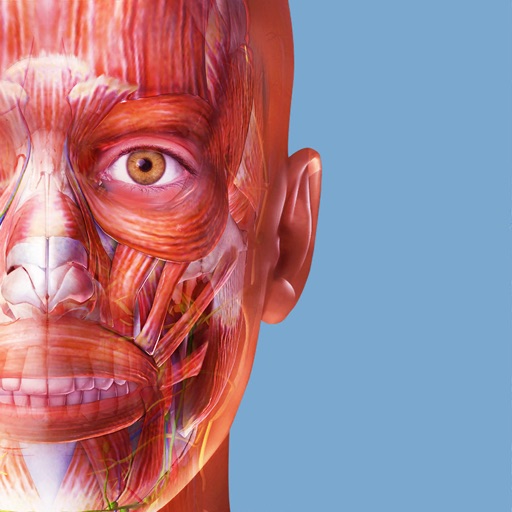
Learn facial for artists with layered skeletal, muscular, fat, and skin structures. Explore detailed 3D models to understand proportions and relationships. Annotate and save notes for reference during drawing sessions.
The app presents human anatomical systems and their physiology through 3D animation. Each system is detailed in a chapter with life-like animations and narration for understanding function.
Prepare for the Exam by practicing 900+ questions and taking mock . Receive AI-driven analysis to identify strengths and weaknesses. Track progress and review detailed explanations for each answer.