The app displays cosmic microwave background all-sky maps on iPhone and iPad. Users can view and compare different generations of CMB fluctuations in 4K resolution, zooming and scrolling for details.
University of California, Berkeley's Lawrence Hall of Science
Explore planets, track orbits, build models
Explore the with interactive activities like designing a Moon base and growing plants in space. Learn about planetary features, space travel, and life in space. Track celestial movements and conduct experiments to understand astronomy concepts.
Displays local, Julian, and Universal alongside Sidereal based on device location. Features a night-vision friendly red display and pop-up descriptions for explanations.
The app offers a 3D tour of the Universe guided by Professor Brian Cox. Users can explore celestial bodies, witness cosmic events, and access over 200 interactive articles and BBC videos.
Explore the with 3D visuals and real NASA photos. Interact with an AI that answers questions and provides explanations. Navigate through planets and moons. Learn about space missions and celestial bodies through engaging content.
Read news articles and stay updated with current events. Access in-depth content on Vietnamese diaspora, local news, career, lifestyle, and relationships. Subscribe for notifications and save favorite stories for later reading.
The app provides enormous zoom factors into a preset image, reaching sub-atomic particles and the observable universe. It displays real photographs and computer model renderings.
Track environmental observations like cloud cover, land cover, and mosquito habitats. Submit data for scientific research. Access educational resources and learn about Earth systems. Share observations with the global community.
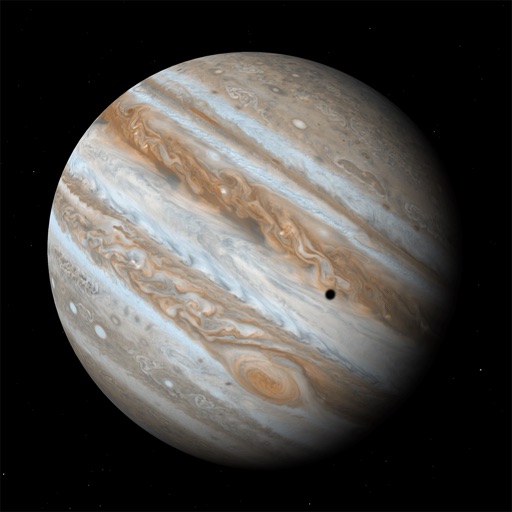
Explore celestial bodies like Jupiter, Saturn, Uranus, and Neptune through a simulated telescope. View planets and their moons as they appear now or at any date and time. Adjust telescope settings to simulate different viewing conditions.
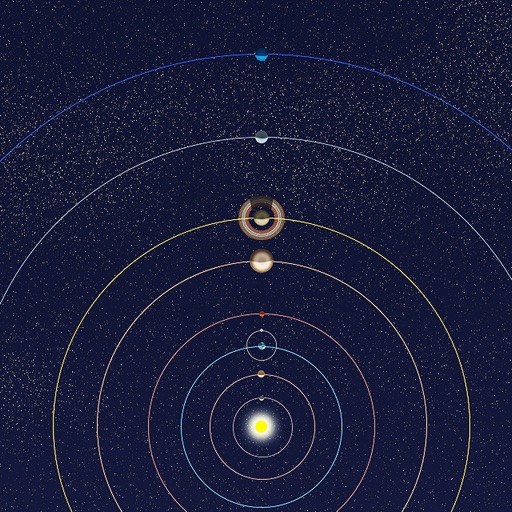
View positions of all solar system planets at any date. Adjust time to see real-time movements. Display accurate orbit sizes, eccentricity, and orbital shapes based on NASA data. Show realistic planet sizes relative to each other.