Access detailed articles on over 400 surgical topics across various specialities. Each article is reviewed and revised by leading experts. Search for specific procedures or conditions. Save and organize notes within the .
Explore 3D models of body systems including circulatory, digestive, integumentary, muscular, nervous, renal, reproductive, respiratory, and skeletal systems. Identify and label anatomical with accurate names.
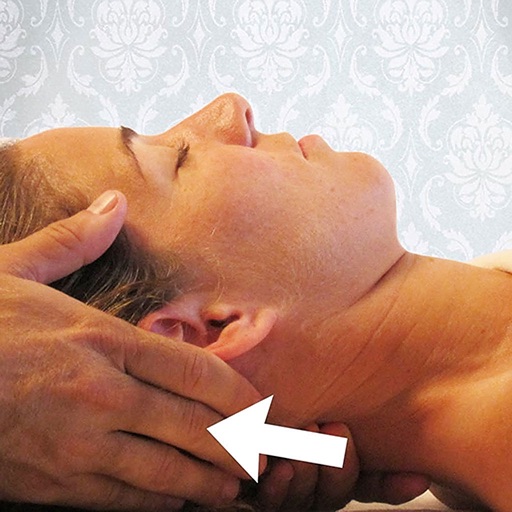
Learn with video demonstrations, still images, and text descriptions. Browse by body area or alphabetically. Access 13 full routines ranging from 10 to 60 minutes. Practice for specific conditions like back pain or athlete recovery.
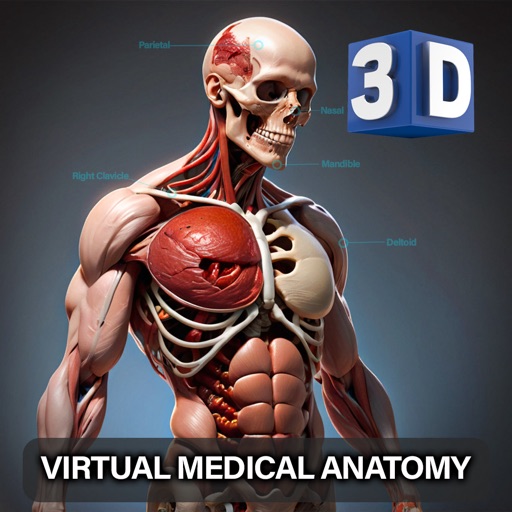
Explore 3D anatomical models of the human body. Rotate, zoom, and dissect organs. View detailed tissue layers and system interactions. Access accurate information and cross-sectional views. Annotate and save notes for study or reference.
Review exam topics with material on hemodynamics, anatomy, and medical terminology. Access images of angiograms and waveforms. Take hundreds of questions on cardiology subjects. Track progress and review answers for each question.
Learn sonography with interactive cases and pathologies. Practice on an expanding library of patients. Follow scan tutorials for proper probe movements. Label anatomy with colored structures for clarity. Simulate scans for training.
Study for physical medicine and rehabilitation exams with interactive self-assessment questions. specific subjects quickly. Access content without an internet connection. Try the limited free version to start learning.
The app illustrates the forces that bring yoga poses to life with 40 essential poses and 360º views. It discusses concepts like foundation, flexibility, and safety, with a section on deep muscles.
Access management techniques with step-by-step procedural guides. Review 58 methods and case studies linking theory to clinical practice. Use reverse anatomy for visual support. View detailed diagrams and annotations for procedures.
Explore 3D animations of anatomy and pathophysiology. Draw and annotate on 3D models. Store notes within the . Share annotated images. View treatment options and clinical guidelines.