Track symptoms and medication adherence. Receive educational content about adrenal crisis. Set reminders for check-ups and appointments. Share progress with healthcare providers. Monitor disease-related symptoms over time.
by The University of North Carolina at Chapel Hill★ 4.97 ratingsMedicalFreeData updated 2026-09-21
Create interactive visual charts to express health concerns. Select icons to describe symptoms and pain levels. Share charts with caregivers for better understanding and communication.
Find providers, view coverage, access medical card,
View e-Medical card and entitlement details for self or dependents. Submit insurance claims and request Guarantee Letters anytime. Find nearby panel providers. Sync medical data with Health for seamless access. Track rewards through Privilege.
Determine TB based on clinical symptoms and diagnostic factors. Input patient data to assess likelihood. Provide assessment summary for healthcare professionals. Does not replace clinical judgement.
Help families care for children at home. Track medications, symptoms, and appointments. Access educational materials on treatments and side effects. Share updates healthcare providers. Receive guidance on managing care during hospital visits.
Track inhaler usage with step-by-step guidance for different inhaler types. Receive AI-based feedback to improve breathing technique. Set daily reminders and monitor progress over time. Sync data with healthcare providers for ongoing support.
The app offers a clinical decision support tool for Parkinson's disease. Clinicians can access curated, evidence-based medical content by asking voice-enabled natural language questions.
Track injuries and monitor recovery progress with guided exercises and real-time feedback. Set reminders for therapy sessions and sync data with healthcare providers. Access on-demand therapy routines and adjust plans based on symptoms.
Learn about recessive genetic diseases and their prevalence in different ethnic groups, including the Ashkenazi Jewish population. Explore cultural and health-related information. Access educational content on heredity and genetic conditions.
Manage patient referrals and communicate with care teams. Share patient information securely. Track referral status and update care plans. Coordinate across health systems and care providers. Access real-time updates and messaging features.
The app provides a tool for examining the severity of Parkinson's disease symptoms. It allows medical practitioners to assess a patient's daily activities, motor skills, and mental capacity through an interview format.
Monitor glucose levels, adjust basal insulin rates automatically, and receive personalized care recommendations. Set reminders for testing and medication. Share data with healthcare providers and track trends over time.
Track medication parcels and apply pharmacy services
Track medication delivery status and check follow-up supply dates. Access pharmacy value-added services directly. Manage medication parcel tracking for Medicines By Post.
Schedule virtual consultations with licensed healthcare providers. Access medical records and test results. Request prescriptions and referrals. Book diagnostic tests and specialist appointments. Receive health reminders and educational resources.
Calculate gestational age and track pregnancy progress
Calculate gestational age based on last menstrual period or ultrasound. Track pregnancy weeks and fetal development. View detailed growth stages and due date estimates. Log symptoms and medical appointments. Share progress with healthcare providers.
Track menstrual cycles with period prediction and symptom logging. Monitor pregnancy with due date calculations and fetal development notes. Set reminders for prenatal appointments and medication. Share health data with healthcare providers.
Access treatment plans based on symptoms. Track daily progress and complete prescribed rituals. Receive guidance from certified Raaqi's. Learn about proper techniques and tools for practice. Set reminders for daily rituals and monitor adherence.
Collect cognitive data through clinical surveys and BrainBaseline tests. Track behavior, lifestyle, and medical history. Share information for on cognitive decline in Alzheimer's and dementia patients.
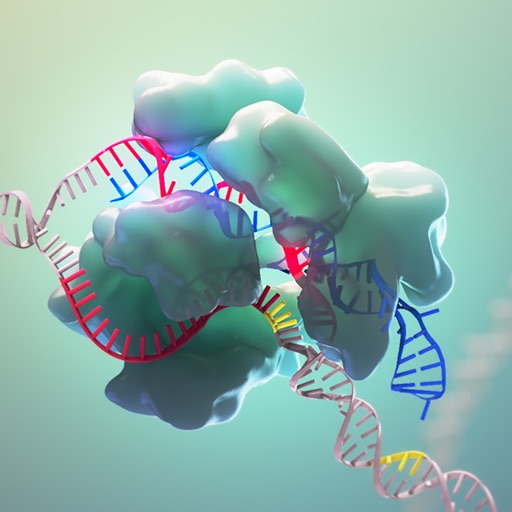
Learn about technology, its function, and applications in scientific research. Explore its role in genetic editing, disease treatment, and ethical considerations. View case studies and research examples related to its use in biology and medicine.