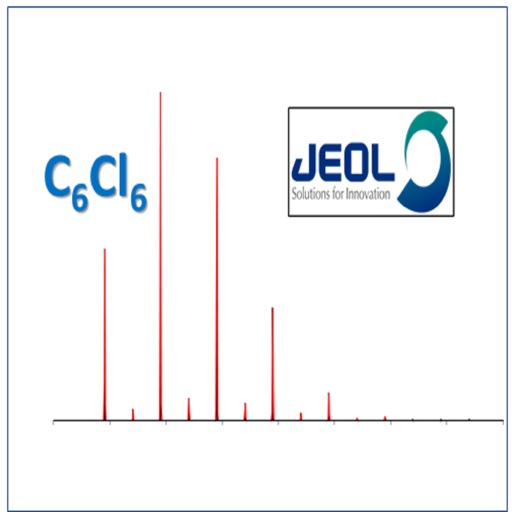
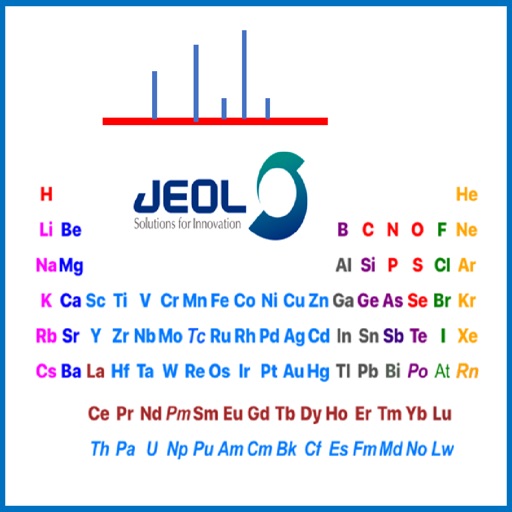
Reference allows users to select between mass spectrometry, energy-dispersive x-ray spectroscopy, or nuclear magnetic resonance spectroscopy tables. Clicking on elements shows method-specific information about stable isotopes.
Generate formulae based on m/z value, mass accuracy, and elemental composition. Specify double bonds equivalent. Display first 1000 results. Share formulae via email.
Calculate and elemental composition for chemical formulas. Input formulas with subscripts, parentheses, and nested groups. Display total and individual element contributions. Perform elemental analysis for problem-solving and educational purposes.
The app calculates molarity, converts between grams and moles, and computes dilutions. It features slider-controlled SI-prefixes with automatic value adjustment and allows switching molecular weight between Dalton and kilo-Daltons.
Draw and share chemical structures with interactive tools. Calculate molecular formula, molecular weight, monoisotopic mass, and elemental composition in real time during drawing.
Calculate molecular weights with a dedicated organic chemistry calculator. Long-press elements for details. Input elements, numbers, and parentheses for real-time results. Access a full-sized periodic table with combined periods 1, 2, and 3.
Naming and writing formulas for ionic and molecular compounds, acids, bases, polyatomic ions, hydrocarbons, and organic functional groups. Choose between -to-name or name-to- exercises. Track progress and repeat exercises for reinforcement.
Access the periodic table with atomic weight, electronegativity, electron affinity, ionization energy, radius, and isotopes. Compare element properties. Search for compounds and reactions. View chemical equations and formulas.
Calculate refrigerant charges for systems using built-in formulas. Input system parameters to determine correct levels for R-22, R-410A, R-32, and other refrigerants. Save and export calculation results for record-keeping.
Access element data including atomic mass, density, melting and boiling points, atomic radius, and electronegativity. Tap elements to view Wikipedia pages for detailed information.