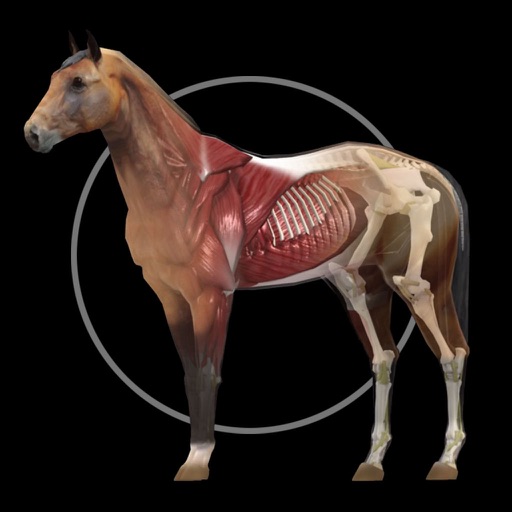
The app presents a 3D model of horse anatomy, including muscles, bones, and organs. It features detailed models of the hoof, head, and pelvis, with labeled structures and audio pronunciations.
Explore through interactive 3D models. Tap labeled structures for detailed explanations. Switch between anatomical systems with intuitive controls. Review lab notes and learn at your own pace.
Study with a comprehensive question bank covering all exam categories, including detailed answers. Navigate through topics for focused learning. Take exams in simulated mode to assess readiness. Save important questions to favorites for quick review.
Study medical surgical nursing questions and rationales
Study for medical surgical nursing exams with a question bank of over 2900 questions. Review detailed rationales for each answer. Track progress and revisit challenging topics.
Create and organize custom flashcards for any subject. Review by topic or all at once. Share flashcards with classmates via QR code. Upgrade for advanced features like spaced repetition and mode. Track progress with detailed statistics.
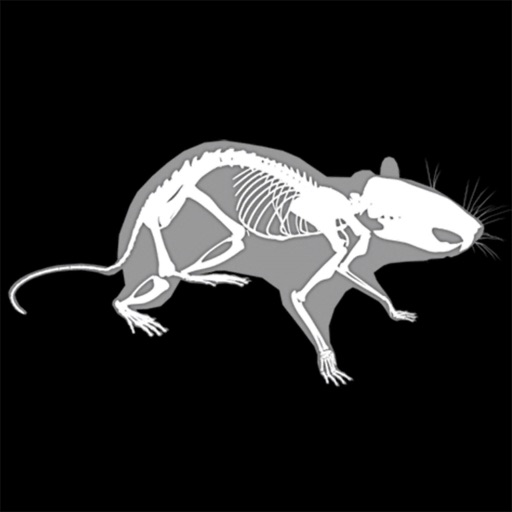
The app allows users to disassemble and reassemble detailed skeleton models, including the human skeleton. It offers four game modes and over 1200 parts for gameplay.
Review histological micrographs to test knowledge and identify structures. Access high-quality images from the University of Michigan Virtual Slide collection. Use 27 sets covering over 550 pages of tissues, organs, and organ systems.
Explore 3D human models with interactive touchscreen navigation. Rotate, zoom, and view over 40 anatomical poses. Access clear definitions and labels for accurate learning. Share anatomical views for educational or medical communication.
Learn vocabulary through with images, text, and sound. Practice with modes like Listen & Repeat, Quiz, and Matching. Review conversations to improve speaking skills. Track progress and reinforce memory through repeated study sessions.
The app presents information about the human body with over 100 original illustrations. It covers topics like skin, senses, digestion, and the skeleton with a voice-over read by children.
View detailed 3D models of bones. Rotate, zoom, and explore skeletal structures. Identify bone names and features. Compare bones from different regions. Access anatomical labels and descriptions. Build and customize skeletal models.
Review and analyze radiographs and CBCT scans to identify anatomical structures, dental disease, and technical errors. Test knowledge with quizzes on radiographic anatomy and image quality.
Create and organize for study sessions. Review cards based on difficulty and retention level. Adjust intervals to reinforce memory. Track progress over time. Share with others. Export study data for analysis.