The app provides a specialized keyboard for entering chemical formulas, including superscripts, subscripts, and arrows. It demonstrates its functionality by allowing text entry and looking up Wikipedia data without needing network access.
Biomedical literature with citations. Filter results by date, author, or journal. Access full-text articles from Central or publisher sites. Save and organize references. Export citations in various formats.
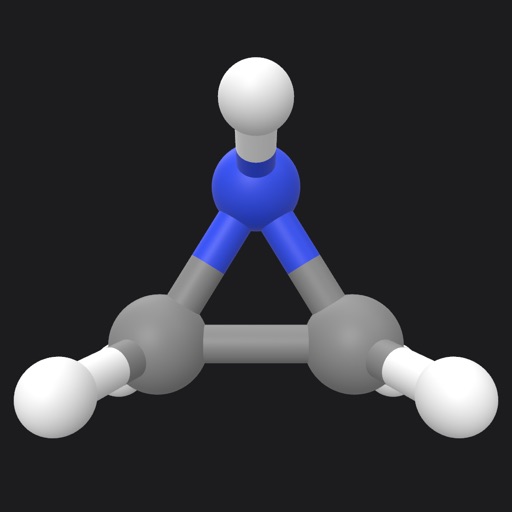
Visualize molecules and proteins using . Place 3D models in real-world environments without markers. Access structures from PubChem and Protein Data Bank. Draw chemical formulas and view them in AR.
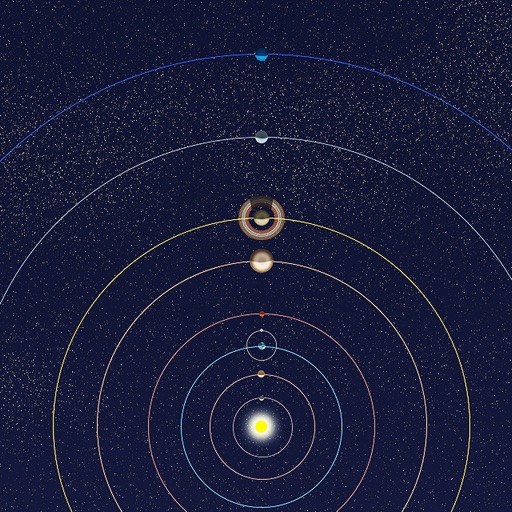
View positions of all solar system planets at any date. Adjust time to see real-time movements. Display accurate orbit sizes, eccentricity, and orbital shapes based on NASA data. Show realistic planet sizes relative to each other.
Learn chemical with that display name, symbol, atomic number, and group. Test knowledge through quizzes on symbols and groups. Challenge understanding of the periodic table structure.
Allows users to study for the on mobile devices. It includes 600 questions, practice tests, and study guides. Users can track progress, review answers, and access material anytime.
Explore UI and APIs for and . Preview component behavior and features. View documentation and examples. Integrate into projects without customization. Require phone permissions for full demo functionality.
Access company resources including locations, career opportunities, and policies. View internal news and communications. Navigate company information and stay updated on organizational updates.
View summaries for information. Access from UNEP, ILO, and WHO. Find health hazards, first aid, and handling instructions. Search by name or code. Share summaries with colleagues.
Look up English and Chinese words with detailed definitions and similar terms. Access professional dictionaries in computer, mechanical, engineering, civil engineering, and chemical fields. Select words for further lookup.