Apps Like OKNDrum: Optokinetic Drum for iPhone and iPad
Elicit responses with iPhone or iPad
Evaluate neurological, otological, and ophthalmological disorders using an iPhone or iPad. Adjust stripe color, width, speed, and direction. Set scrolling speed from seven options. Control scroll direction and stripe size for precise testing.
by Angel Vazquez★ 4.7143 ratingsMedical$3.99Data updated 2026-10-20
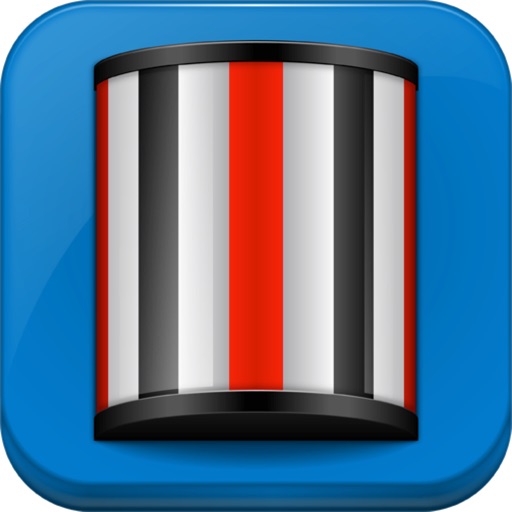
The app offers a digital optokinetic drum for eliciting optokinetic nystagmus. Users can adjust stripe patterns, width, and speed for neurological, otological, and ophthalmological evaluations.
Use to evaluate neurological, otological, or opthalmological disorders. Initiate movement by tapping the screen to adjust strip speed. Toggle strip color between red and black via the bottom toolbar. Zoom or pinch to adjust view.
View benefits and coverage details. Access in-network providers and facilities. Share or download ID card. Connect with member services for support. Find care options and schedule appointments.
Access patient health records, view test results, and manage medications. Communicate with physicians, schedule appointments, and pay bills. Upload health data from Apple Health and access family health information.
Track blood pressure readings and other health metrics. Follow guided measurement instructions for accuracy. View trend data over time. Share records with healthcare providers. Set reminders for regular monitoring.
Supports clinical decisions with drug reference tools and pill identification features.
The app provides comprehensive drug reference tools for clinicians. It includes features like pill identification and drug interaction checking to support clinical decisions.
Look up terms and definitions for physicians, nurses, PAs, NPs, and students. Search for common and uncommon words and phrases. Access drug information including usage, administration, side effects, precautions, and drug interactions.
Evaluate depression and monitor treatment response.
The app provides a self-administered test based on the PHQ-9 questionnaire to screen for depression and monitor its severity. Users can store results, track mood in a journal, read articles, and use self-guided Cognitive Behavioral Therapy exercises.
Evaluate severity using the GAD-7 questionnaire with seven questions. Identify potential disorders like panic disorder or social phobia. Provide guidance to seek professional treatment if needed.
Analyze foot arch, width, pronation, bunions, and pain locations via 3D scan. Recommend shoes, exercises, and healthcare professionals. Track posture, mobility, and running performance with AI guidance.
Store and organize medical history, medications, and appointments in one private space. Track metrics, set reminders, and share information securely with healthcare providers. View lab results and update personal records in real time.