View artwork from global galleries on home screen widgets. Browse or search thousands of pieces by , collection, or favorite. Add overlays like time, date, or custom text. Play slide shows of curated artwork.
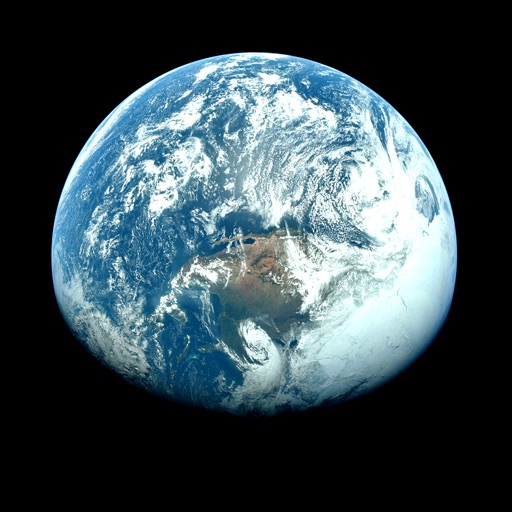
View satellite imagery and time-lapse data to analyze features. Compare images using an A/B slider. Visualize environmental data like air pollution, vegetation, and sea ice. Explore unfiltered satellite views from the ESA’s Sentinel-2 satellites.
Track intake by logging consumption and viewing historical data and weekly. Set reminders and receive notifications to stay hydrated. Calculate needs based on weight, gender, and activity.
Plan and manage flights with auto-routing and real-time data. Sync flight details between devices. View weather, airspace, and airport information. Log flight details and track progress. Share flight plans with others.
Explore celestial events and space science content
Track celestial events, view detailed star maps, and learn about space science topics. Explore interactive astronomy content and connect with educators and students worldwide. Share observations and participate in space-related discussions.
Explore guided meditations in Body, Mind, Heart, and . Choose between Stationary or Walking Mode. Learn techniques through structured teachings and practice them in dedicated sessions.
View daily images and videos with accompanying scientific explanations. Access the full archive of NASA's astronomy photos and videos. Search by date or topic. Download and share high-resolution content.
The app presents over 300 retina resolution images from NASA Glenn Research Center's first forty years. These archived photos and descriptions offer insight into aeronautics and space technology research from 1941 through 1979.
Explore the with 3D visuals and real NASA photos. Interact with an AI that answers questions and provides explanations. Navigate through planets and moons. Learn about space missions and celestial bodies through engaging content.
The app provides daily temperature and wind speed for planets, moons, and the Sun. It displays the solar system in 3D with data based on NASA and NOAA information.