Learn sonography with interactive cases and pathologies. Practice on an expanding library of patients. Follow scan tutorials for proper probe movements. Label anatomy with colored structures for clarity. Simulate scans for training.
Magnify text and objects with adjustable zoom from 1x to 32x. Use AI to enhance clarity and detail. Adjust brightness and contrast for better visibility. Share magnified images directly. Sync with devices for consistent use.
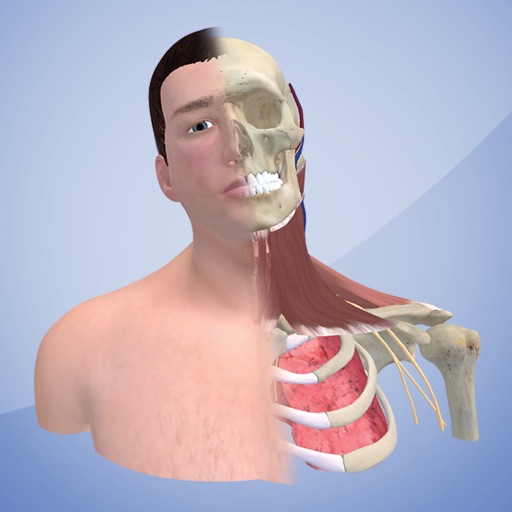
Explore 3D models of anatomy. Rotate postures 360 degrees for detailed views. Adjust head rotation and tilt. View comprehensive muscle layers. Simulate head tremors. Scan an OR code to activate the model from a workbook.
Calculate aneurysm volume using height, width, depth, and neck length measurements or calibrated images. Estimate flow diverter elongation based on vessel diameter. Access online database to determine catheter packing density.
Enable communication for -impaired users by typing text to generate . Adjust language, volume, and rate. Save and share voice messages. Use customizable settings for personalized experience.
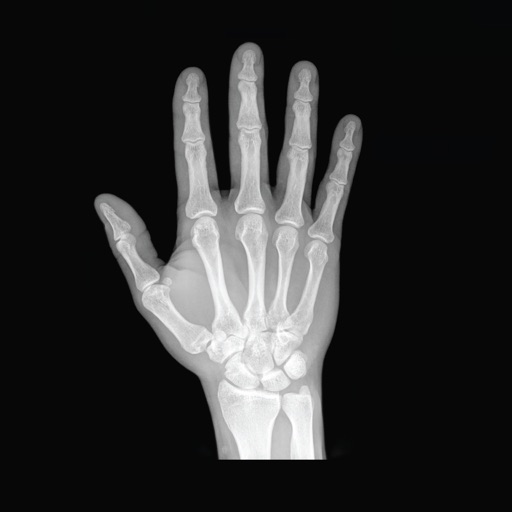
View detailed anatomical structures of the brain, neck, thorax, heart, abdomen, pelvis, and extremities. Access multi-planar reformatting views including coronal sections. Navigate through layered imaging data for precise diagnostic analysis.
Access guidelines, procedures, and outcomes. Review current strategies and techniques. Stay updated with quarterly content. Reference for both practicing and training surgeons.
View and analyze DICOM images from various modalities including US, CT, MRI, and PET. Query and retrieve images via DICOM network protocols such as C-Find SCU, C-GET SCU, and WADO. Display images directly from PACS or compatible software.
Clinicians can build custom differentials across dermatology, internal medicine, and pediatrics by considering patient history, travel, and allergies. Share visual references with patients to explain symptoms and treatment options.
Track ’s daily activities with two-tap logging. View trends daily, weekly, or monthly. Record medical information and health questions for doctor visits. Log events without typing or alarms.
Track vision changes with regular testing. Identify confusion patterns. Provide correction tips. Offer visual aids for differentiation. Share results with healthcare professionals.
Identify surgical instruments using AI-powered SmartScanner by scanning barcodes, SKUs, or taking photos. Search a catalog of over 3.5 million instruments for detailed descriptions, IFUs, and notes.