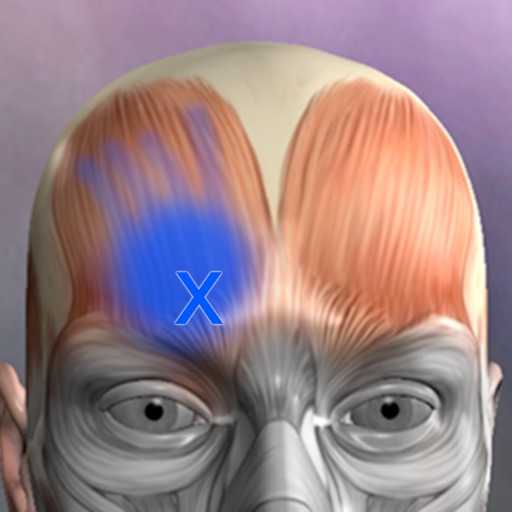
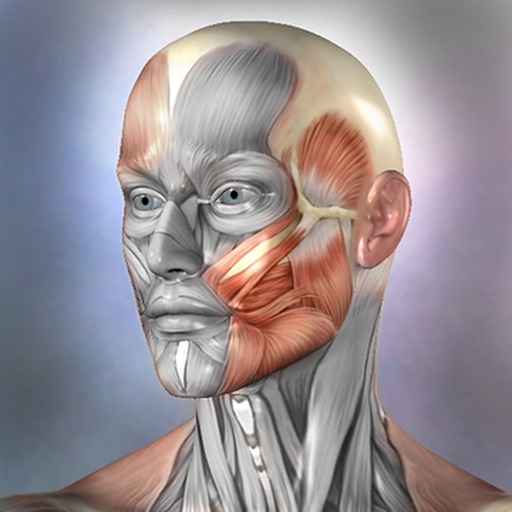
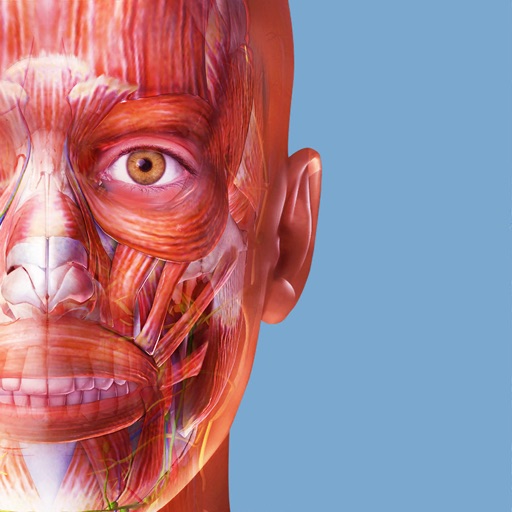
The app provides a reference for 108 muscles, detailing 160 trigger points and their referral patterns. It includes 80 conditions linked to trigger points and 25 videos demonstrating muscle release techniques.
Explore detailed 3D models of the skeletal and musculoskeletal systems. Rotate models for 360-degree views. View bones in anterior, lateral, and posterior perspectives. Identify eight layers of muscles with clear labels.
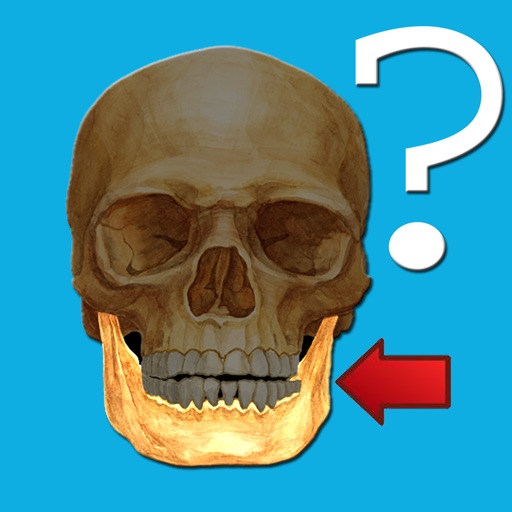
Learn anatomical structures through interactive modes. Choose It mode highlights structures for identification with multiple-choice questions. Touch It mode requires locating and touching specific structures on anatomical images.
Explore with interactive 3D models of male and female bodies. View cadaver and diagnostic images alongside 3D structures. Access key organ views and animations. Purchase additional physiology and dental content.
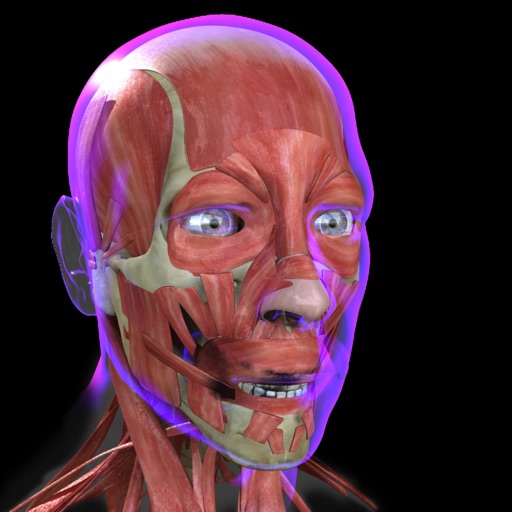
Explore 3D human anatomy models with interactive touch controls. Rotate and zoom for detailed views. Perform virtual dissections to reveal muscle layers and anatomical structures. Take 3D location quizzes to test knowledge.
Learn anatomy with a complete reference featuring 8 layers of muscles. View muscles in 360 degrees with detailed descriptions. Take quizzes to test knowledge and track progress through a built-in progress indicator.
Learn about the human muscular with labeled diagrams, 3D visuals, and interactive quizzes. Identify names, locations, functions, and origins. Take quizzes to test knowledge and track progress.
The app offers 360-degree rotation of body parts and displays 10 layers of muscles. It includes 215 animations of movements and 425 audio pronunciations for labels.
Explore human anatomy and physiology through interactive 3D models. Rotate, zoom, and dissect virtual organs. Access detailed explanations of systems and diseases. View layered structures and compare healthy vs. pathological states.
Explore detailed 3D models of muscles and bones. Rotate, zoom, and view internal and external structures. Label anatomical features and save custom views. Share annotated diagrams with colleagues or patients.
The app offers five learning methods: VIEWER, ACTIONS, 3-D MODELS, QUIZZES, and MEDIA. Users can explore 145 muscles and bones with detailed information and view animations of body actions.
Explore high-definition 3D muscle models to view shape, size, location, and relationships. Rotate and zoom for detailed examination. Access descriptions with function, origin, insertion, and action for each muscle.
Explore 3D human models with interactive rotation and zoom. Remove layers to view internal structures. Take 3D quizzes to test knowledge. Toggle visibility of systems.
Learn anatomical structures through and quizzes. Study with beginner-friendly content. Track progress and set learning goals. Review key terms and definitions. Test knowledge with interactive challenges.
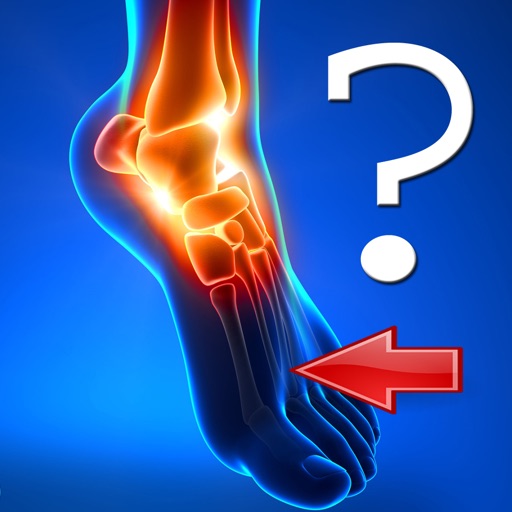
The app presents 70 illustrated questions about the foot and ankle, covering bones, ligaments, muscles, nerves, arteries, and veins. Users select answers, receiving points based on the attempt number for correct responses.