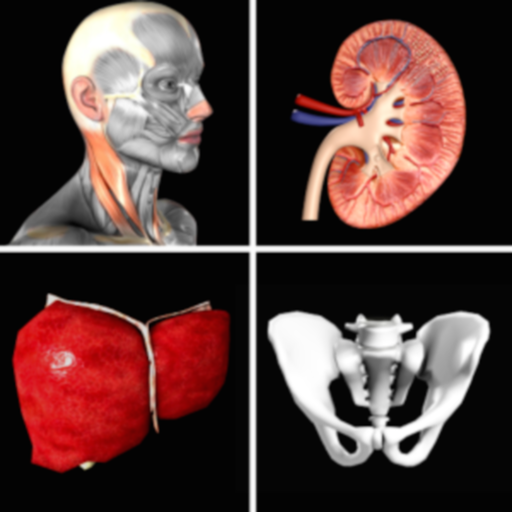
Explore the with interactive lessons on skeletal, muscular, circulatory, respiratory, digestive, urinary, nervous, endocrine, reproductive, lymphatic, and senses . Complete each system to learn anatomy. Add new periodically.
The app offers multiple-choice and image-matching quizzes covering 416 anatomical structures, including bones, muscles, and organs. Users can create custom quizzes or focus on missed items, with an optional timer for added difficulty.
Create and publish interactive educational posters with social media links. Share posters directly from the . Access teaching licenses for multi-user use. View detailed anatomical diagrams and 3D models.
Prepare for Care Certification exams with practice questions, detailed explanations, and performance tracking. Review tips to improve scores. Access all content categories indefinitely.
Terminology with interactive vocabulary exercises and grammar drills. Practice speaking and listening through audio clips and quizzes. Track progress with detailed performance reports and set study goals for exam preparation.
Track progress, practice questions, master subjects
Study for the A2 with practice questions, detailed explanations, and test-taking strategies. Track progress, identify strengths and weaknesses, and review math and anatomy topics. Set goals and access preparation resources.
Access detailed anatomical illustrations and complete text for study. Scroll through thumbnails for quick navigation. View high-resolution images optimized for iOS devices.
Diagnose and manage orthopaedic trauma with interactive decision flows. View hundreds of diagrams and illustrations. Access evidence-based, clinically relevant information for trauma and orthopaedics.
Tests cover core topics like venipuncture, patient safety, and specimen handling. Users can take interactive quizzes, review explanations, and track progress.
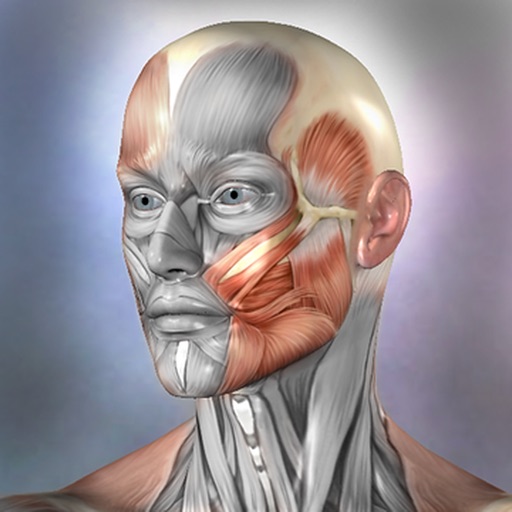
The app offers five learning methods: VIEWER, ACTIONS, 3-D MODELS, QUIZZES, and MEDIA. Users can explore 145 muscles and bones with detailed information and view animations of body actions.
Learn with clinical dialogues based on real hospital cases. Practice terminology used in emergency care and daily rounds. Engage in interactive speaking scenarios to improve communication skills.