

Apps Like Learn Japanese Language App for iPhone and iPad
With flashcards and quizzes
With interactive lessons and audio pronunciations. Practice vocabulary and phrases for daily use. Track progress and receive feedback on speaking exercises. Sync with other devices for continued learning.
Learn Japanese Language App screenshots
Ranked alternatives
Showing 501–520 of 1,000 ranked alternatives.

JLPT in Nepali
Ikigai Technology K.K
Learn Japanese grammar, kanji, and vocabulary
Learn Japanese grammar, kanji, and vocabulary through quizzes and flashcards. Translate Japanese words into . Practice test skills with structured exercises. Study content explained in for better comprehension.


みんなでひらがな Hiragana Learning App
Genki Mine
Learn Hiragana with art and games.
The app teaches users the basic Japanese alphabet, Hiragana, through art, animation, and sounds. It includes multiple games to guess hiragana from pictures and sounds, with two modes available for free.
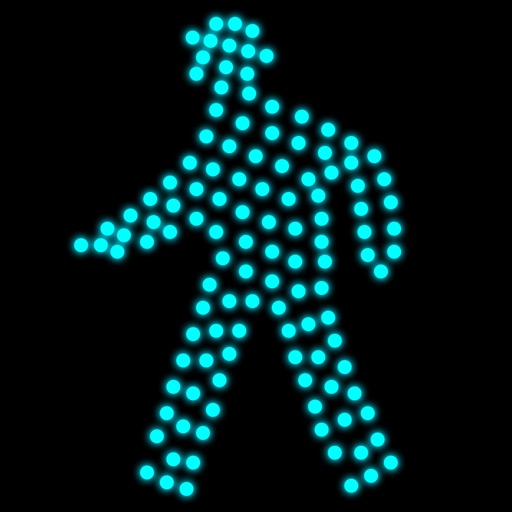
Pedestrian signal
RUCKYGAMES CO., LTD.
Japanese pedestrian traffic light simulation app.
The app reproduces a Japanese pedestrian traffic light. It changes through red, blue, blinking blue, and red light sequences.





Learn Japanese Hello-Hello
Hello-Hello LLC
With structured lessons and interactive exercises
With interactive lessons, vocabulary drills, and grammar exercises. Practice speaking with AI conversation partners. Track progress with quizzes and set personal learning goals. Sync learning across devices.

Japanese-kanji(18-kanjis)
KENJI HIOKI
Learn Japanese kanji characters easily.
The app teaches 18 Japanese kanji characters. Users can learn kanji categorized by themes and earn stamps upon completing categories.





Learn Japanese for Kids
INKids Education LLC
Words with fun illustrations
Teach children with interactive lessons featuring 400 vocabulary words. Includes color, number, food, and animal terms. Features native speaker audio, illustrated content, and age-appropriate learning activities.
How we rank alternatives
Apps are ranked by functional similarity, category fit, rating confidence, and popularity.