Access medical information and analyze imaging with AI tools. Retrieve insights across specialties using GPT-4, GPT-5, and Vision API. Support clinical workflows with AI-driven analysis and data interpretation.
The app provides clinical decision support with AI-powered conversational guidance and evidence-based content. It offers patient education materials, drug information, and clinical calculators for medical professionals.
Track patterns and impacts with real-time updates. Monitor pollen, air quality, and humidity levels. Receive alerts for changes affecting . Log symptoms and analyze correlations with data. Predict indexes and provide early warnings.
Play medical games to diagnose and treat patients. Compare performance with 800,000 professionals. Read explanations from specialists. Learn diagnostic reasoning and treatment management.
The app guides users through the Epley Maneuver to address Benign Paroxysmal Positional Vertigo. Users can utilize audio and illustrations if they experience difficulty focusing during vertigo attacks.
Helps users identify left and right body parts through images of hands and feet in various positions. Users complete tasks to improve laterality recognition. Results are tracked over time to monitor progress in rehabilitation.
Track symptoms and behaviors associated with Disorder. Set reminders for medication and therapy sessions. Monitor progress over time and share notes with healthcare providers.
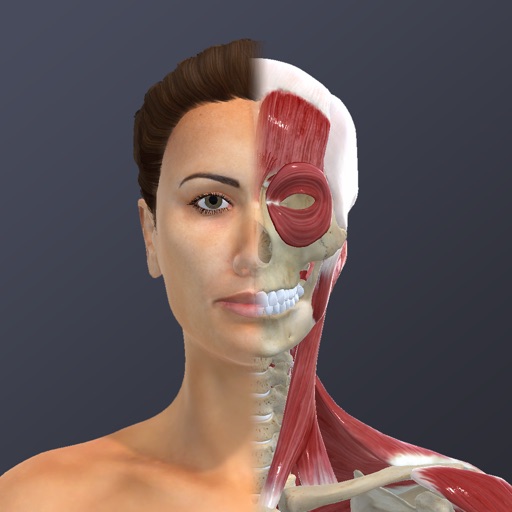
Clinicians can build custom differentials across dermatology, internal medicine, and pediatrics by considering patient history, travel, and allergies. Share visual references with patients to explain symptoms and treatment options.
Access medical references including ’s Drug Guide, Taber’s Dictionary, and diagnostic tests. Search for drug information, take notes, and bookmark key content. View organized drug monographs with details on administration and safety.
Access lab information on blood and other body fluids. View normal ranges for hematology, biochemistry, hormones, enzymes, iron profile, urinalysis, fecal tests, body fluid tests, and microbiology. Learn about procedures and results interpretation.
Access and view AutoBMD reports generated from osteoporosis screenings. Share reports with care providers. Communicate test results and receive follow-up instructions. Track bone density measurements and treatment recommendations.