

Apps Like 成长兔启蒙-家长课堂 for iPhone and iPad
成长兔启蒙-家长课堂 screenshots
Ranked alternatives
Showing 421–440 of 1,000 ranked alternatives.



Canine Acupuncture Point
Chi University Corp
Study canine acupoints with illustrations.
The app assists canine acupuncturists in studying, reviewing, and practicing acupoints. It covers 361 transpositional and 77 classical acupoints with detailed descriptions, indications, and multiple illustrations.



Double Pendulum Simulation
Torbjorn Sjogren
Pendulum motion governed by differential equations.
The app solves differential equations for a double pendulum using the Runge-Kutta method. Users can influence the pendulum's movement by positioning their device.

Dot to Dot (Low Vision)
Ebenezer school
Learn to write alphabets and numbers.
The app provides a training method for low vision users to learn writing English alphabets and Arabic numerals. It features upper case, lower case, and hand script letters, along with Arabic numerals and English vocals for each character.

Kuku Robo
MASAHIRO MIZUTANI
Learn the Japanese multiplication method Kuku.
The app teaches the multiplication method known as 'Kuku'. Users can select various 'Dan' rows to practice this technique.

Unicorn Math III
Steven Fransen
Learn math with adjustable difficulty.
The app offers a method for learning addition, subtraction, and multiplication. Users can adjust the difficulty and practice various math operations including PEMDAS.
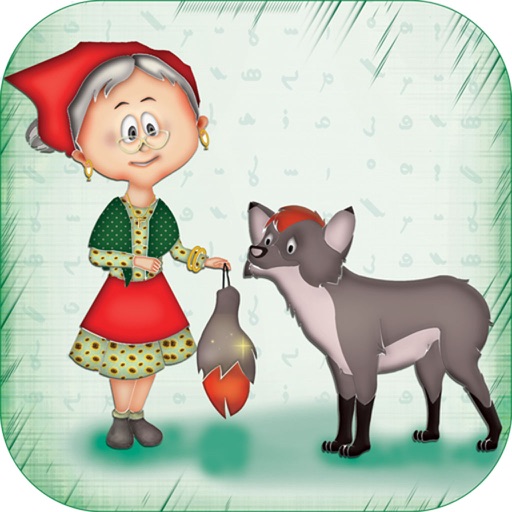
Grandma And The Fox
Kanusoft LLC
Listen to stories and interact with characters
Learn Syriac (Assyrian/Aramaic) language through interactive storytelling. Listen to and engage with characters from the tale "." Explore Eastern and Western dialects with audio lessons and character interactions.



Abacus Adventure 1
CHEUNG LEUNG
Learn abacus skills step by step.
The app provides a full tutorial on using the abacus and trains mental calculation skills through games. It features 55 stages designed by qualified teachers for children aged 5 and up.





How we rank alternatives
Apps are ranked by functional similarity, category fit, rating confidence, and popularity.