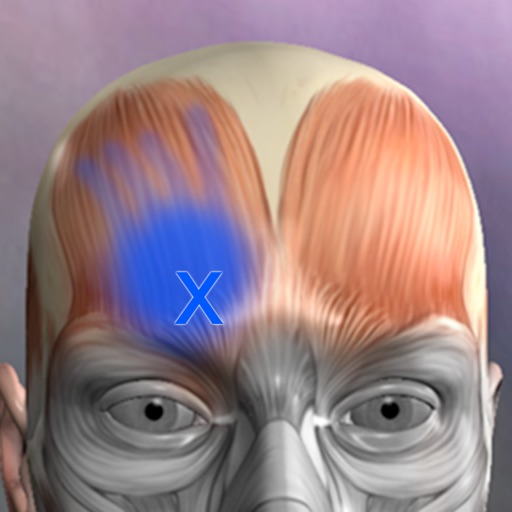
Patients can mark pain areas on a 3D model to identify affected muscles. Therapists can view muscle anatomy, referred pain patterns, and associated symptoms. The includes a free version with 12 muscles and an option to purchase the full version.
by BarB BVBA★ 4.340 ratingsMedicalFreeData updated 2026-09-12
The app provides a reference for 108 muscles, detailing 160 trigger points and their referral patterns. It includes 80 conditions linked to trigger points and 25 videos demonstrating muscle release techniques.
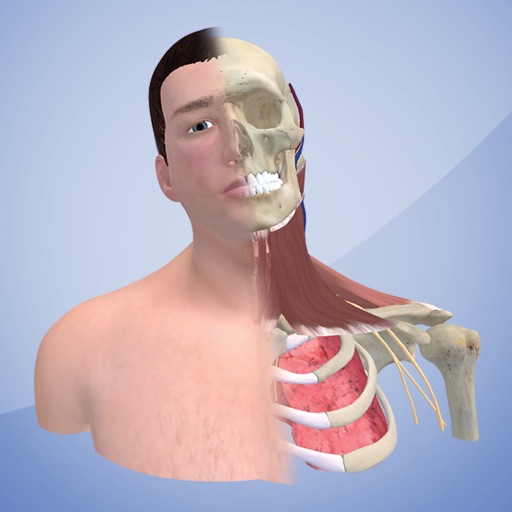
Explore 3D models of the skeletal system and other anatomical structures. Rotate, zoom, and view detailed textures up to 4K resolution. Access free content with in- purchases unlocking additional materials.
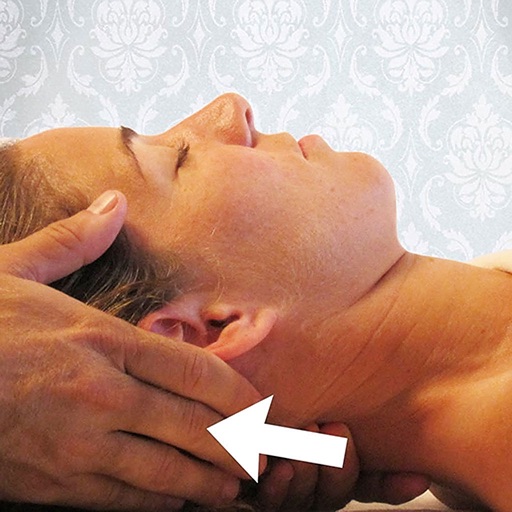
Learn with video demonstrations, still images, and text descriptions. Browse by body area or alphabetically. Access 13 full routines ranging from 10 to 60 minutes. Practice for specific conditions like back pain or athlete recovery.
Study with interactive meridian pathways and point locations. Explore a customizable anatomy model with muscles, bones, and organs. Edit and save detailed descriptions of points, meridians, and models. Search by point name, function, or indication.
Identify common postural disorders through guided assessments. Learn correction techniques with detailed explanations. Track progress with analysis tools. Access exercises to improve alignment and muscle balance.
Study human with detailed illustrations of organs, bones, and muscles. Explore individual systems like the ear, heart, and eye. Learn Latin medical terminology. Access interactive content for medical education and general knowledge.
Learn anatomical structures through interactive modes. Choose It mode highlights structures for identification with multiple-choice questions. Touch It mode requires locating and touching specific structures on anatomical images.
Access personalized exercise programs designed by licensed physical therapists. Track health goals and progress with interactive lessons. Join patient communities for support. Receive education on managing and back pain.
Explore 3D models of anatomy. Rotate postures 360 degrees for detailed views. Adjust head rotation and tilt. View comprehensive muscle layers. Simulate head tremors. Scan an OR code to activate the model from a workbook.
Explore detailed 3D models of human . Label and identify over 8,200 structures. Rotate, zoom, and dissect virtual organs. Access interactive quizzes and study modes. View cross-sectional views and anatomical layers. Save and share annotated diagrams.
Helps by strengthening upper airway muscles through guided exercises. Users can sync with SnoreLab to track progress. Exercises target mouth and throat muscles to improve breathing during sleep.
Test knowledge of and with multiple-choice quizzes. Review detailed explanations for each answer. Track progress through various topics including muscles, bones, and body systems. Play challenging games to reinforce learning.
Identify and palpate 91 essential muscles with detailed visual guides. Learn precise palpation techniques through clear instructions. Build confidence by practicing muscle identification and location.
Access plans targeting all major muscle groups including abs, arms, legs, back, and shoulders. Perform exercises without equipment. Track progress with daily sessions. Receive personalized guidance and feedback during workouts.
Identify pain sources by tapping body areas. View linked to specific pain regions. Learn about over 80 muscles and 150 . Access detailed information on referred pain patterns.
Learn anatomy through interactive 3D models, integrated textbooks, and clinical insights. Take quizzes with over 1700 questions. View detailed diagrams and explore anatomical structures in 3D.
Explore the body with 3D models of the skeleton, organs, and muscles. Use voice search to identify body parts. Access detailed information about the skull and bones. Take quizzes on skeletal, organ, and muscular systems.
Help children relax with guided stories, calming music, and affirmations. Track bedtime routines, set goals, and access parent resources to strengthen family bonds through consistent, screen-free rituals.