Patients can mark pain areas on a 3D model to identify affected muscles. Therapists can view muscle anatomy, referred pain patterns, and associated symptoms. The includes a free version with 12 muscles and an option to purchase the full version.
by BarB BVBA★ 4.340 ratingsMedicalFreeData updated 2026-09-12
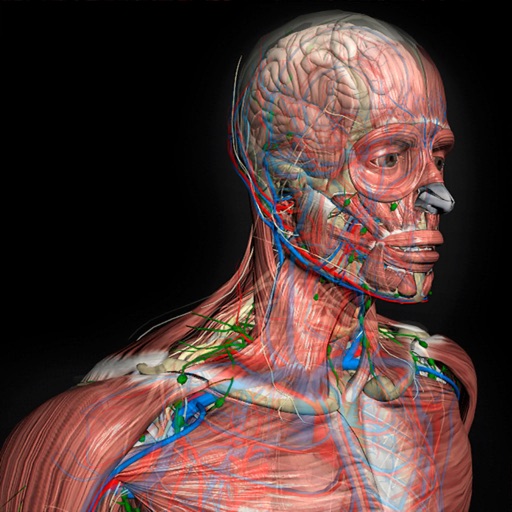
The app presents a three-dimensional model of human anatomy. Users can explore internal systems layer by layer or simultaneously, with options to highlight structures or remove them for deeper viewing.
Explore art through interactive stories and high-resolution images of famous artworks. Learn about artists, techniques, and movements. Save favorite pieces and create personal collections. Share insights and artworks with others.
Interactive 3D tooth models allow users to explore detailed anatomy and pathology. Users can simulate endodontic procedures, review case studies, and access step-by-step treatment guides.
Study for the exam with questions, flashcards, and detailed explanations. Track progress with progress reports and mock exams. Review subject-specific content and access study guides for exam topics.
Use cognitive behavioral techniques and therapeutic harmonic frequencies to promote relaxation. Induce a therapeutic relaxation response through indirect suggestion and visual imagery.
Capture patient images with guided steps. Adjust settings for optimal clarity. Generate detailed reports for patients. Streamline workflow to save time and reduce equipment costs. Improve treatment explanations to boost business.
Explore detailed 3D models of the anatomy. Rotate, zoom, and dissect layers to view internal structures. Select specific regions for focused study. Access high-resolution cross-sectional images from real cadavers.
Review and analyze radiographs and CBCT scans to identify anatomical structures, dental disease, and technical errors. Test knowledge with quizzes on radiographic anatomy and image quality.
Learn facial massage and face yoga techniques from a licensed esthetician. Perform exercises to target puffiness, wrinkles, jawline, double chin, neck, eyes, and frown lines. Track progress over time with built-in assessments and reminders.
Learn about pain management through educational content and movement exercises. Track progress on pain levels and symptoms. Access guided routines to improve mobility and reduce discomfort. Set reminders for exercises and monitor recovery over time.