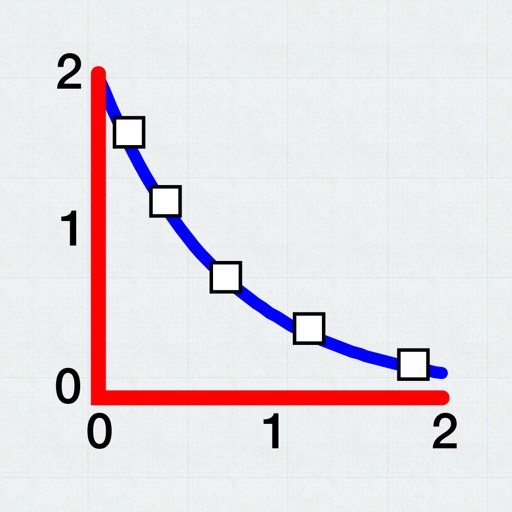
Allows users to plot and fit x, y data pairs. It supports curve fitting, value prediction, and kinetic data analysis. Data can be entered manually or imported from text or CSV files. Users can perform statistical analysis and generate graphs.
Write chemical formulas and names for inorganic and organic compounds. Generate molecular formulas and IUPAC names instantly. View compound properties including structure, molecular weight, density, melting point, and boiling point.
Calculate solutions by selecting from common systems. Input desired volume, pH, concentration, and stock solution concentrations. Determine exact volumes of conjugate acid and base to mix.
Learn named chemical reactions with detailed mechanisms and peer-reviewed examples. Browse 1,266 reactions, search by name or type, and review flashcards for exam preparation. Save notes and track progress through study sessions.
Identify rocks, crystals, and minerals using camera or gallery photos. Access detailed information about each item including composition, formation, and properties. Save identified items to a personal collection.
Create double-sided with text, visuals, definitions, formulas, or poems. Organize into topic-based stacks. Customize stacks with notes and tags. Test knowledge with spaced repetition quizzes. Track progress with accuracy and time metrics.
Manage and monitor health with real-time voltage and temperature readings. Track charge cycles and capacity levels. Set low- alerts and schedule charging sessions. Sync data across devices for remote monitoring.
The app provides reference data for over 430 steel, aluminum, and magnesium alloys. Content includes chemical composition, similar alloys, characteristics, and heat treating procedures.
Create and print with hazard information, including product identifiers, signal words, and pictograms. Customize label layouts, add text and images, and save templates for repeated use. Ensure compliance with workplace safety regulations.