
Apps Like Differentiate Find Difference for iPhone and iPad
Differentiate Find Difference screenshots
Ranked alternatives
Showing 921–940 of 1,000 ranked alternatives.



YumYum Shape Puzzle
Naoya Sangu
Learn shapes with fun puzzles.
The app helps children ages 2-8 learn basic shapes and their names through interactive puzzles. It offers 15 shapes, voice and text in English and Japanese, and over 200 stages across four game modes.



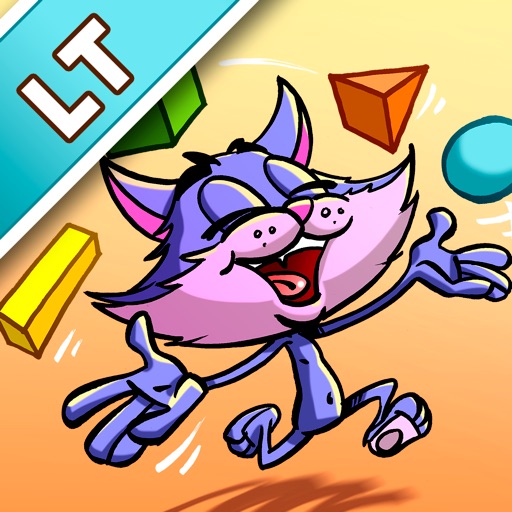
Les formes et les couleurs LT
Generation 5
Discover shapes and colors logically.
The app presents activities for discovering shapes and colors through observation, reflection, and logic. A friendly kitten accompanies the child, offering encouragement and congratulations.




Math Quest: Brain Training
Future Software Solutions S.R.L.
Solve puzzles to build expressions
Build mathematical expressions by connecting numbers and operators on a 5×5 grid. Solve puzzles by creating valid equations that match target values. Receive real-time feedback as calculations are performed.
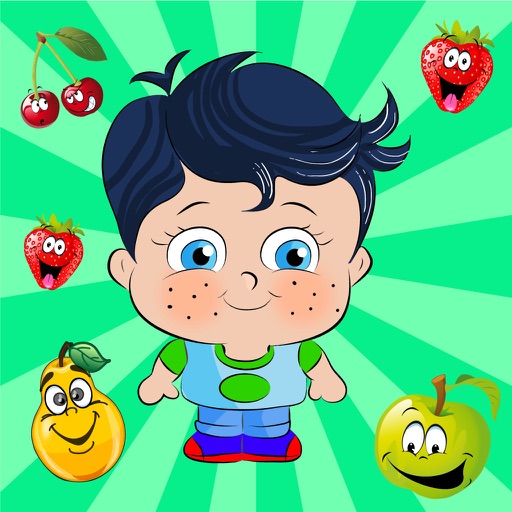
Learn Turkish with Little Genius - Matching Game - Fruits
Cihangir Korkmaz
Children learn fruits through matching.
The app helps children aged 2 to 6 develop cognitive skills by matching fruits. It supports mental development through an entertaining method, teaching children to notice subtle differences and improve perception.
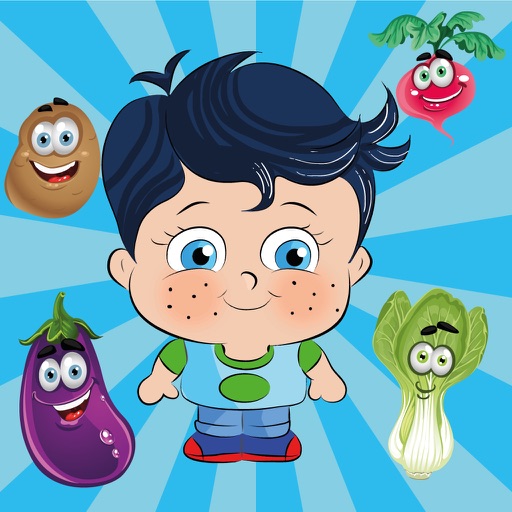
Learn Turkish with Little Genius - Matching Game - Vegetables
Cihangir Korkmaz
Children learn vegetables through matching.
The app helps children aged 2 to 6 learn about vegetables through matching games. It supports cognitive development and perception by teaching attention to subtle differences in an entertaining way.
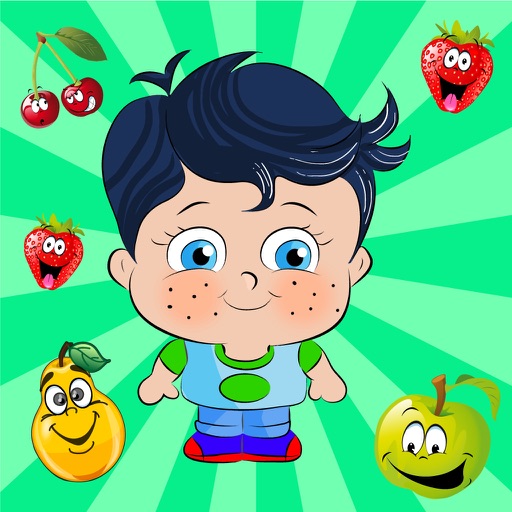
Learn French with Little Genius - Matching Game - Fruits
Cihangir Korkmaz
Children learn fruits through matching.
The app helps children aged 2 to 6 develop cognitive skills by matching fruits. It supports mental development through an entertaining method, teaching children to notice subtle differences and improve perception.
How we rank alternatives
Apps are ranked by functional similarity, category fit, rating confidence, and popularity.