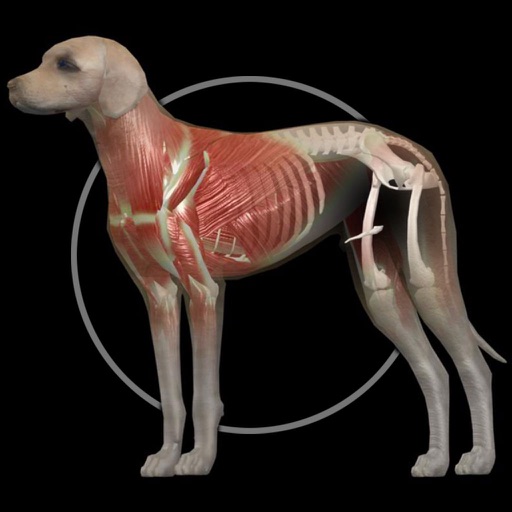
Explore detailed 3D skeletal and muscular system models. Rotate, zoom, and dissect layers to view internal structures. Access a drawing gallery with anatomical references. Purchase additional muscular system content.
Learn Latin with dictionaries featuring over 50,000 entries and 20,000 simplified explanations. Access declensions and conjugations for entries. Parse Latin words and study Allen and Greenough's grammar.
Scan assignments to receive step-by-step solutions for math, chemistry, physics, biology, geography, and computer science. Solve equations and problems using AI. Drag and drop files or take photos to input tasks.
Learn about quantum mechanics concepts like atomic orbitals and quantum numbers. Explore electron behavior in atoms. Visualize probability distributions and energy levels. Track quantum number properties and their effects on electron configuration.
View detailed anatomical images with labeled structures. Access descriptions of anatomical features. Explore correlations for real-world applications. Study using a regional approach aligned with textbooks.
Explore anatomical structures with 3D models. Rotate, slice, and zoom to view layers. Tap labels for descriptions, audio pronunciation, and close-ups. Quiz yourself or create custom quizzes on anatomy sections.
Identify and palpate 91 essential muscles with detailed visual guides. Learn precise palpation techniques through clear instructions. Build confidence by practicing muscle identification and location.
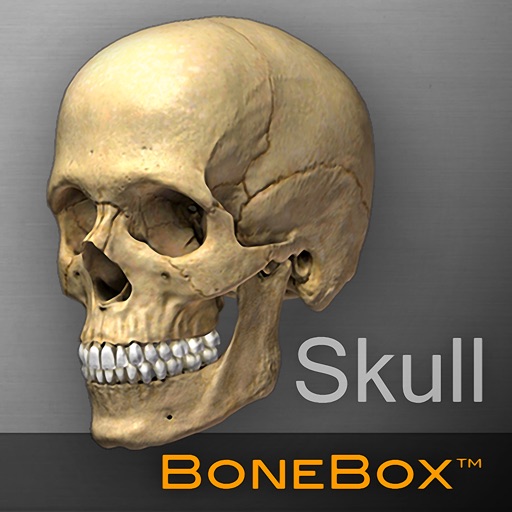
Explore detailed 3D anatomical models with interactive elements. Rotate, zoom, and dissect virtual skulls. View layered structures and labels. Access educational content about anatomy and physiology. Share models via email or social media.
Convert numbers between bases 2 to 30 with real-time updates. Perform calculations in multiple number systems. Display results accurately with a clean, intuitive interface. Switch between bases instantly for precise outputs.
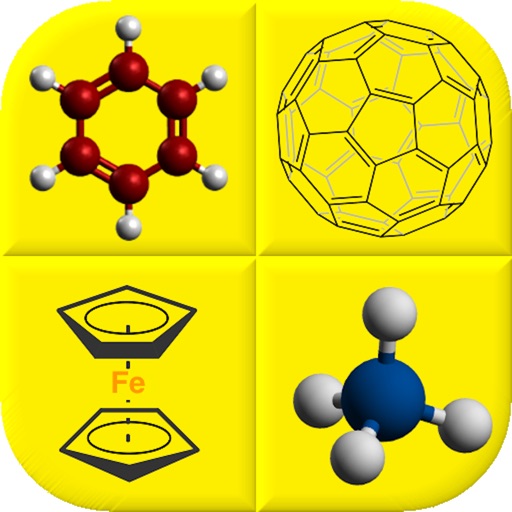
Learn with spelling quizzes and structure visuals. Identify formulas, names, and classifications. Explore organic, inorganic, and organometallic compounds. Choose between easy and hard difficulty levels.